

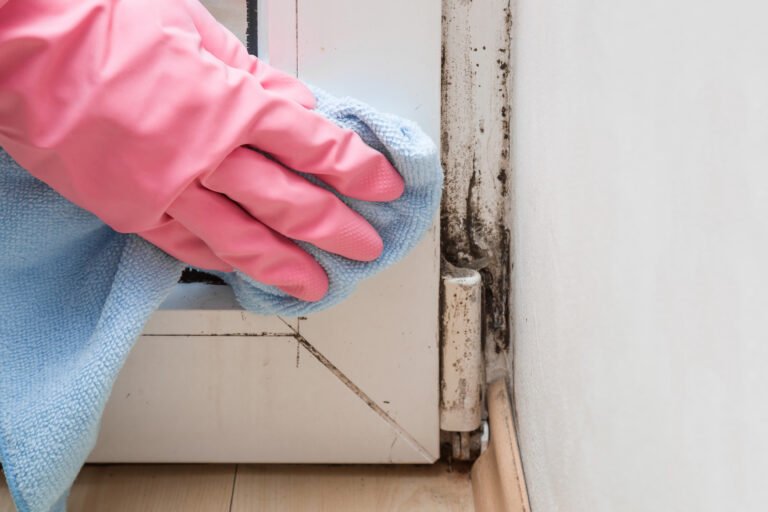
Knowing how to identify mold is a helpful skill for Connecticut homeowners to have.
If you don’t know what mold looks like or the telltale signs of indoor mold growth, things can get out of hand quickly and cause lasting damage to your house, your belongings, and your health.
Below, you will learn what mold looks like and what is often mistaken for indoor mold. But first, let’s talk about how and why mold growth happens.
No home is completely mold free.
This may not be welcome news for homeowners, but it’s also not as bad as it sounds.
There are hundreds of thousands of mold species currently existing on the planet (some experts even put that number in the millions), so you can safely assume that microscopic mold spores are floating around inside your home every day.
This only becomes a problem when those mold spores accumulate and land on wet surfaces. In the presence of moisture, mold will flourish—and flourish fast. In fact, moisture is one of only a few things mold needs to thrive, along with oxygen and nutrients (literally anything organic).
Even a little moisture where it shouldn’t be is enough to create a full-blown mold problem, which can result in property damage as well as health problems in both humans and pets. Be on the lookout for water damage from seasonal storms, plumbing leaks, broken appliances, unusually high indoor humidity levels, and other common culprits.
Always call a mold remediation specialist if you think you have indoor mold. Most will provide a free initial assessment, and a trained technician will have the equipment necessary to either confirm or disprove your suspicion. If necessary, they may recommend mold testing.
What does mold look (and smell) like?
The best starting-off point for identifying harmful mold in homes is to use your eyes and ears. In many cases, this initial step is enough to help you determine whether or not you have a mold growth problem.
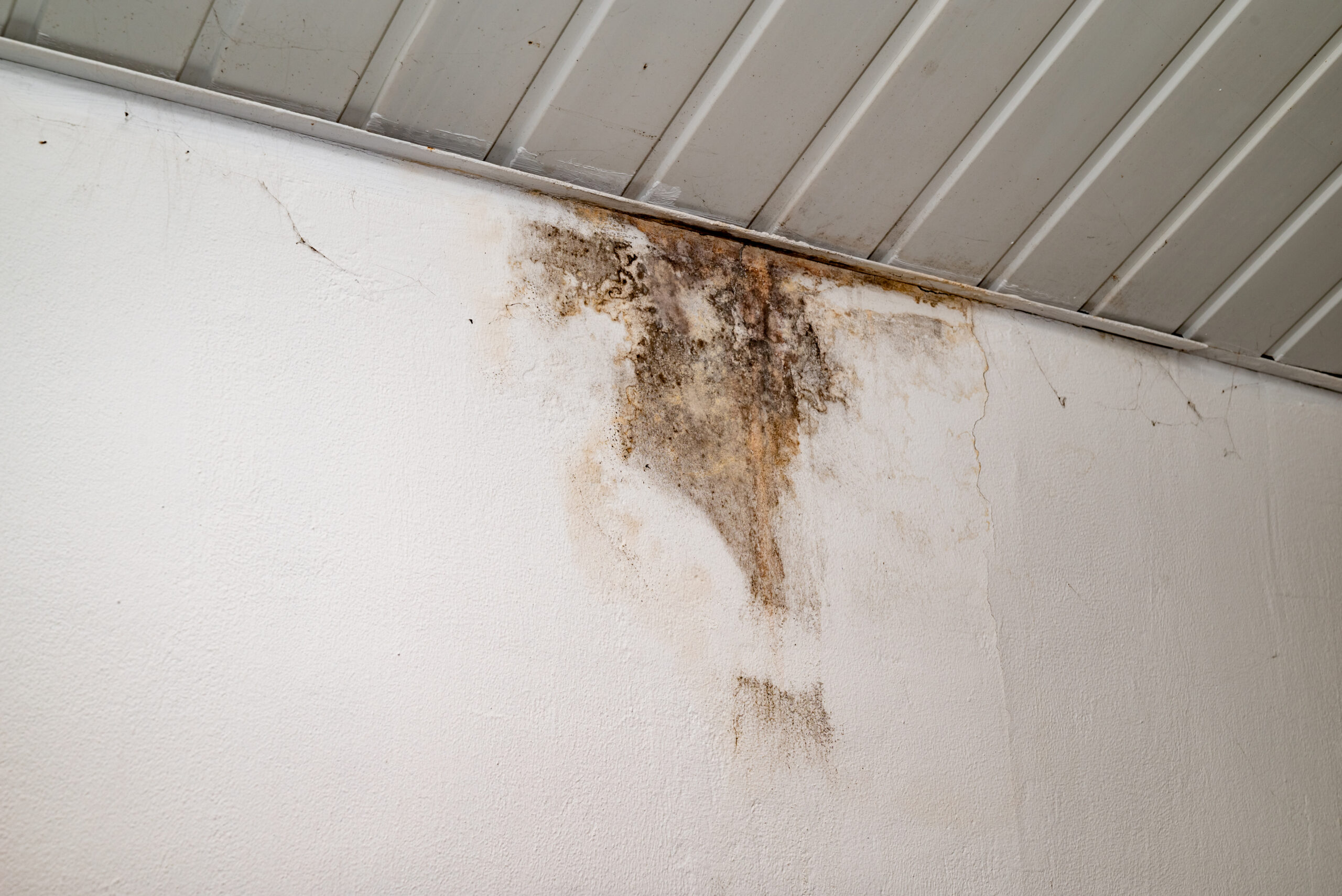
Visible signs of mold include:
- Spots or discoloration on the walls, floor, furniture or other surfaces
- Peeling or bubbling wallpaper
- Warped wood or drywall
- Damp carpets and upholstery
- Excess condensation on windows and glass doors
Non-visible signs of mold include:
- An unpleasant odor
- Increased allergy symptoms
Still not sure? Get to know these mold imposters.
There are plenty of things that can be mistaken for mold inside your home. (This is another reason why getting an early expert opinion is so important.)
As diligently as you work to keep your house clean, life is messy. Kids, pets, hobbies, high-traffic areas where people are constantly going in and out. All of these create conditions that look like mold but really aren’t. Knowing what to look for will go a long way toward alleviating your worries about indoor mold, so get to know the following mold imposters.
- Dirt and dust. It may sound silly, but dirt and dust can easily build up on surfaces throughout your home, especially in corners and along the baseboards, and they are often mistaken for mold growth.
- Soap scum. This is a common name for the cloudy film left behind on your tub and shower walls that is primarily dirt, oil, and soap residue—but not mold.
- Hard water deposits. Also called limescale, the mineral deposits (mainly calcium and magnesium) left behind after hard water evaporates can appear as white spots or chalky residue and are often mistaken for mold or mildew.
- Soot and smoke residue. Soot marks around fireplaces and smoke residue from burning candles can appear as a gray or black film on walls and other surfaces, sometimes causing panic that black mold may be present.
- Rust, stains, and watermarks. Although not technically mold, these often indicate that excess moisture is present and may be an early warning sign of water damage and mold. (Pro tip: Mold colonies will grow in size over time; non-biological stains will not.)
- Mildew. Technically, mildew is a type of mold. However, it is generally less harmful and easier to clean, since it does not penetrate surfaces. You can learn more about the differences between mold and mildew here.
⭐⭐⭐⭐⭐
– Rob P.
“Carlos, Ryan, and Annie were professional, reliable, and provided excellent customer service. I was able to get remediation work done in less than a week from my initial inquiry and I highly recommend this team.”
We’re experts at identifying mold.
Just ask Rob and countless other Connecticut home and business owners who have given the team at CT Mold Pros a 5-star review after we handled their mold-related needs. From mold identification to mold removal and remediation, we don’t just restore your property—we restore your peace of mind.
Call CT Mold Pros today at (203) 920-0265 to schedule a free consultation or fill out our online form with your message and a member of our team will reach out to you shortly.

.svg)