

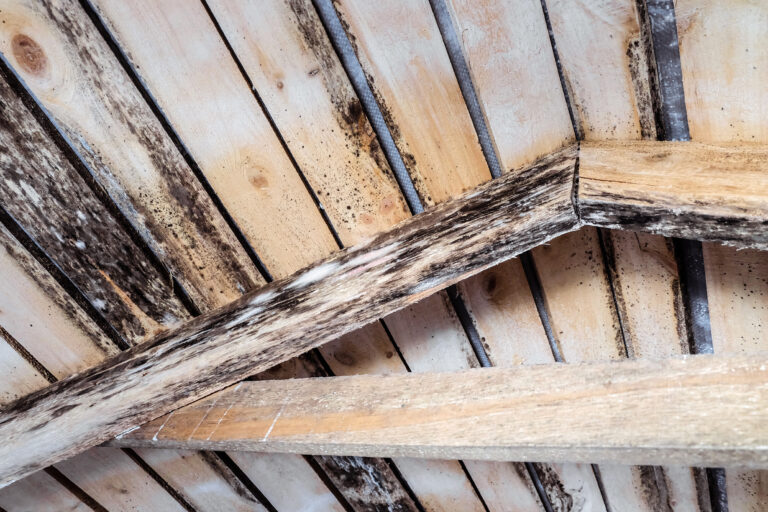
With the unusually heavy rains that plagued much of the state throughout July and early August, Connecticut homeowners no doubt have mold on the mind. But is mold toxicity (sometimes referred to as mold poisoning) something you need to be worried about?
In this blog, we will do our best to separate fact from fiction and clarify how to tell if you have indoor mold growth, where to look in your home, and what signs and symptoms to pay attention to if you are worried about mold toxicity.
First things first: Do I have mold?
Most people know that mold loves moisture, so homeowners are smart to be worried about the impact of recent summer storms and muggier-than-usual weather.
Even a small amount of water damage or a slight increase in indoor humidity can be enough to activate mold spores in the air and trigger mold growth, so it is important to keep a close eye on your indoor environment in every season.
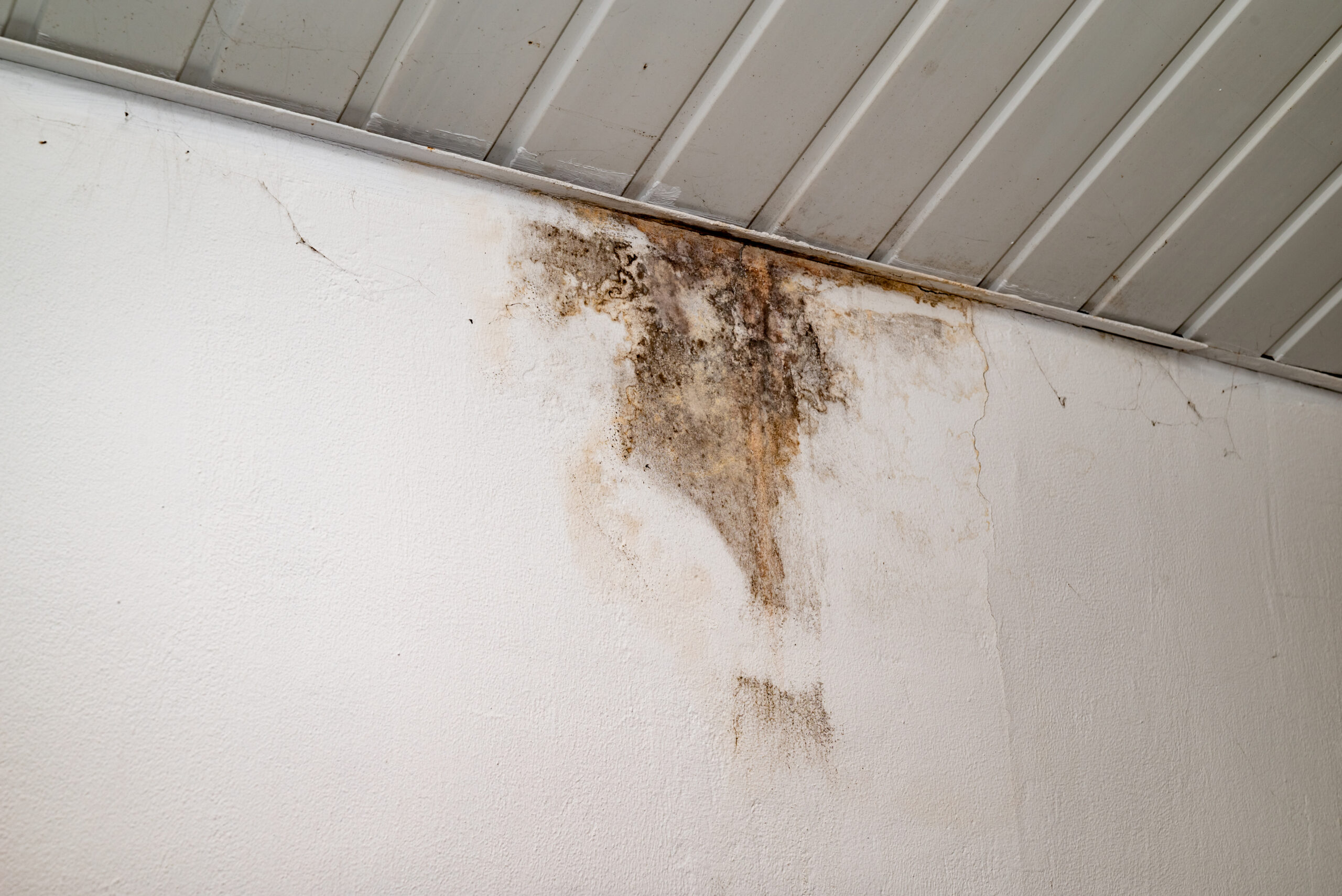
Start in the attic (a common but often overlooked mold hotspot) and work your way room by room down to the basement or lowest floor. Clear signs that indicate the presence of mold are spots or discoloration on the walls, floors, and other surfaces, as well as bad smells or odors that are out of the ordinary.
But indoor mold growth is not always immediately visible. Sometimes, the first hint of a mold problem is an unexpected cough, sniffle, or headache—symptoms that are all too easy to attribute to seasonal allergies or a summer cold.
Do I have mold poisoning symptoms?
Don’t panic! Even if you do discover mold growing in your home, it is far less likely that you have mold poisoning symptoms. Mold toxicity refers specifically to symptoms caused by mold species that are capable of producing mycotoxins. These toxic substances are known to have a severe impact on the immune system and can cause both acute and lasting illness in people and animals.
Stachybotrys chartarum is one such example of a mycotoxin-producing mold species, and misleading news headlines in recent years have resulted in many homeowners mistaking any mold that is black for toxic black mold.
Now for the good news: Though considered one of 10 most hazardous fungi, Stachybotrys chartarum is not among the most common types of mold you might find growing in your home. In fact, its prevalence is fairly low, since it requires a higher-than-average humidity level for growth and is generally only associated with repeated flooding and long-term water damage.
So, when you read articles online about mold poisoning symptoms or warning signs of mold toxicity, most of the time they are referring to something much more common: mold allergies.
Lingering symptoms? It could be a mold allergy
Let’s get back to that cough or sniffle that has been hanging around for a while, the headaches that have become more frequent, or the fatigue you just can’t seem to shake. If symptoms linger and the usual remedies don’t seem to be doing the trick, there is a solid chance that you have a mold allergy.
The same goes for your four-legged friends: Increased itching and scratching, frequent ear infections, and a loss of appetite are common mold allergy symptoms in pets and should never be ignored.
Mold allergy treatments will look a lot like everyday cold and allergy remedies—antihistamines, decongestants, nasal sprays, topical creams, and so on—but they will only work once you eliminate your indoor mold problem. The first step is finding an experienced mold removal and remediation company to make sure the job is done correctly and with your health and safety in mind.
Ignoring indoor mold growth is never an option
Whether or not your indoor mold is the toxic kind should never be a deciding factor when thinking about what to do next. Because any type of indoor mold growth is still harmful to your health, your property, and your personal belongings, the problem should be addressed immediately to ensure your safety and the safety of those you love.
As Connecticut’s trusted mold solution specialists, CT Mold Pros provides extensive mold identification and remediation services for homes and businesses throughout the state. Our experienced team takes the stress out of mold removal so you can get back to your normal routine as soon as possible.
Call us today at (203) 920-0265 to schedule a free consultation or fill out our online form with your message and a member of our team will reach out to you shortly.

.svg)