


Connecticut summers can get pretty hot and humid—which is great for spending the day at the beach or splashing in the pool, but not so great when your indoor environment starts to feel too much like your outdoor environment.
High humidity inside your house is not just uncomfortable. Excess moisture can lead to a host of problems that can affect your health and safety, which is why taking steps to maintain a cool, dry interior climate is important all year long.
What is humidity?
Humidity refers to how much water vapor is in the air around us. You may have heard the terms absolute humidity, which is the precise amount of water vapor in the air, and relative humidity, which measures water vapor relative to the temperature of the air. (Fun fact: warm air can hold more moisture than cold air.)
According to the EPA, you should aim to keep the humidity level inside your home below 60 percent relative humidity, and ideally between 30 and 50 percent. You can find an affordable home humidity sensor at your local hardware store or home improvement store to ensure you stay within the recommended range.
High humidity and indoor mold growth
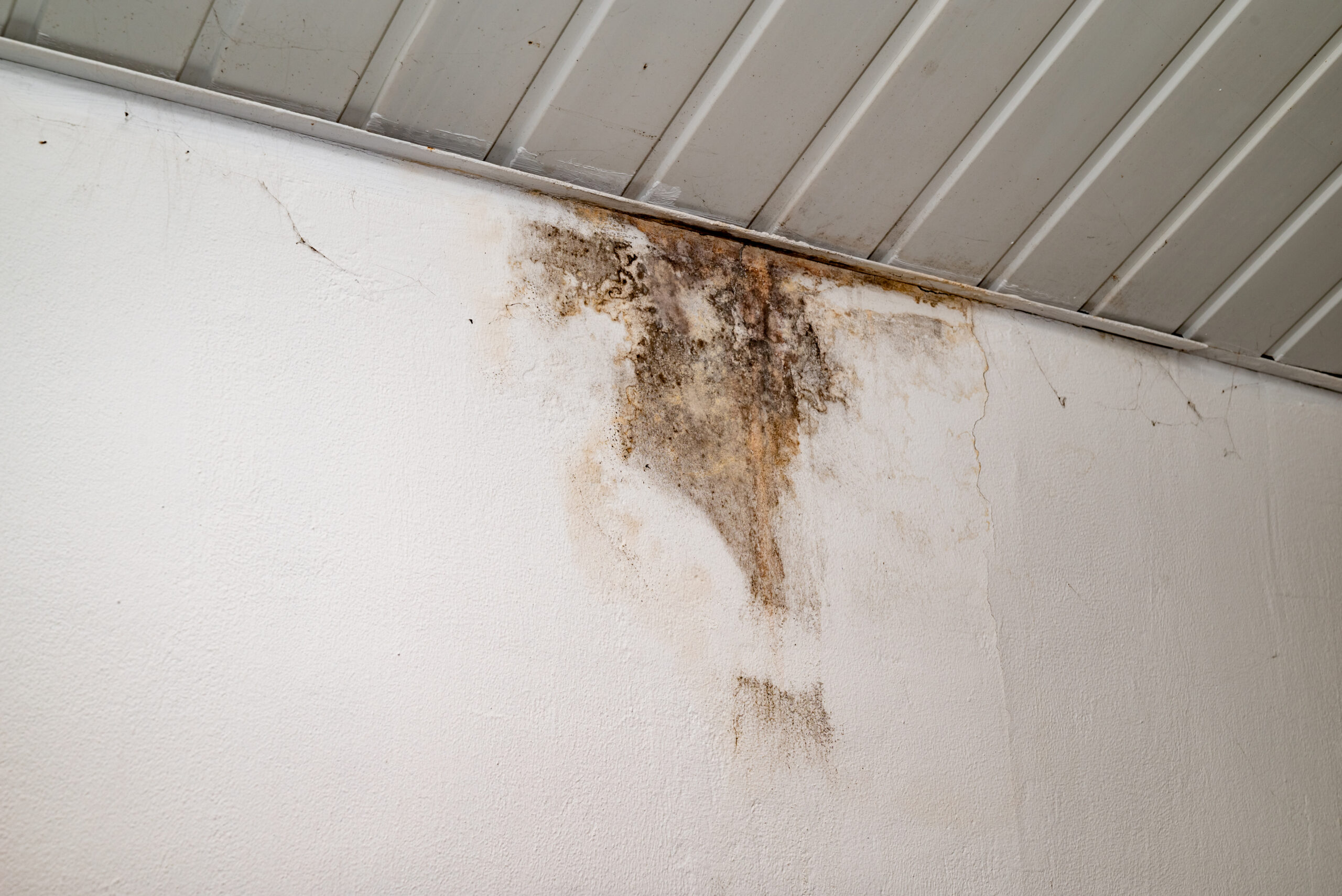
High humidity not only leaves you feeling sticky and gross inside your house, but it’s also a common cause of indoor mold growth. Microscopic mold spores are present nearly everywhere, but in the right conditions they can form visible colonies and flourish at a rapid pace. Warm, moist air creates high mold growth conditions—which is not only dangerous to your health but can wreak havoc on the structural integrity of your home if mold starts to eat away at organic materials such as wood and drywall.
Above-normal indoor humidity levels can lead to mold growth in the attic, mold growth in the basement, and mold growth on your walls, floors, carpets, and even in places you can’t see. When that happens, you will need an experienced mold remediation company to help eliminate the existing problem and prevent future issues caused by indoor mold growth.
Is humidity only a concern in spring and summer?
This is a common misconception, but the reality is that high indoor humidity can happen in any season. During the warmer months, problems can arise if you are unable to keep the humid air outside where it belongs. Heavy spring and summer rains can also bring unwanted moisture indoors and cause a rise in humidity.
But in winter, your house is just as susceptible to rising indoor humidity. With the doors and windows locked up tight to keep out the cold, moisture from everyday activities such as cooking and bathing can easily stay trapped indoors. If your HVAC system is not up to the task, it may not be able to maintain optimal air flow and keep the humidity level where it should be.
Quick tips to lower indoor humidity
The following tips can help keep humidity levels low and prevent indoor mold growth during the spring and summer season.
1. Show your HVAC system a little love.
The more humid the environment, the harder your HVAC unit has to work to cool your home and eliminate moisture during the warmer months of the year. Humid conditions can also lead to a buildup of condensation inside your unit, which can quickly lead to mold growth if the problem goes unchecked. Monitor your HVAC system throughout the year, with scheduled maintenance checks at least twice annually (in the spring and fall) to make sure it is running at optimal efficiency.
2. Change your air filters regularly.
Even the most efficient HVAC unit can be thwarted by clogged or dirty air filters. Everything from dirt, dust, pollen, and mold spores to pet hair and dander collects inside your air filters, putting added stress on your unit and impacting its ability to control the humidity level inside your home. The harder it has to work, the more likely it is to break down and need repairs over time—which only increases the risk of indoor mold growth. Fiberglass air filters are less efficient and should be changed monthly, while pleated air filters can last up to a few months. Cleaning your air ducts on a regular basis is also a smart way to increase HVAC efficiency and improve indoor air quality.
3. Install a whole-house dehumidifier.
Installing a whole-house dehumidifier is a smart move, especially if you live in an older Connecticut home prone to damp conditions. In contrast to a portable unit, which collects condensation into a container that needs to be emptied manually, a whole-house dehumidifier channels moisture out of your house through a pipe or a designated drain line. Quieter and more efficient than a single unit, they work throughout the entire house and have a longer lifespan.
The mold remediation professionals you can trust
CT Mold Pros is the name people trust for superior mold remediation services. We put the health and safety of your family first, and our trained and certified specialists ensure every step of the mold remediation process is executed with precision and care.
Call us today at (203) 920-0265 to schedule a free consultation or fill out our online form with your message and a member of our team will reach out to you shortly.

.svg)