

With drought conditions affecting much of the state earlier in the year, the heavy rains that came in July felt like a welcome relief to some Connecticut residents. However, all that rain has a downside: a spike in prime mold growth conditions.
Mold growth is a concern in every season, but severe summer storms can send moisture levels skyrocketing, increasing humidity and activating the airborne mold spores that are always present inside your home or business. Excess rain can also lead to indoor water damage via roof leaks, poorly sealed doors and windows, and cracks in the foundation, all of which can trigger mold growth.
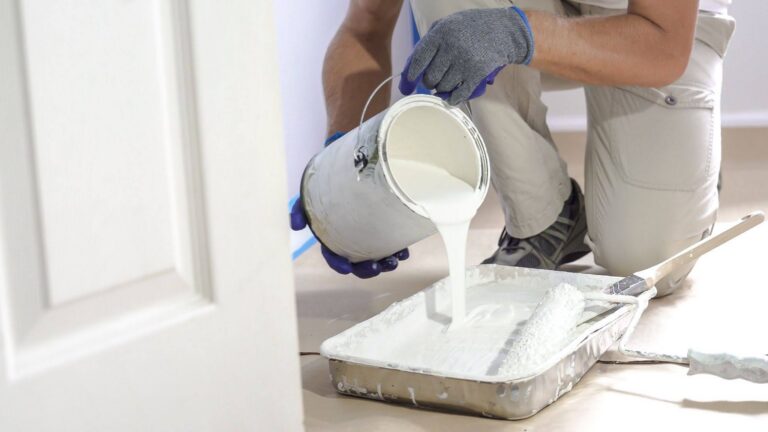
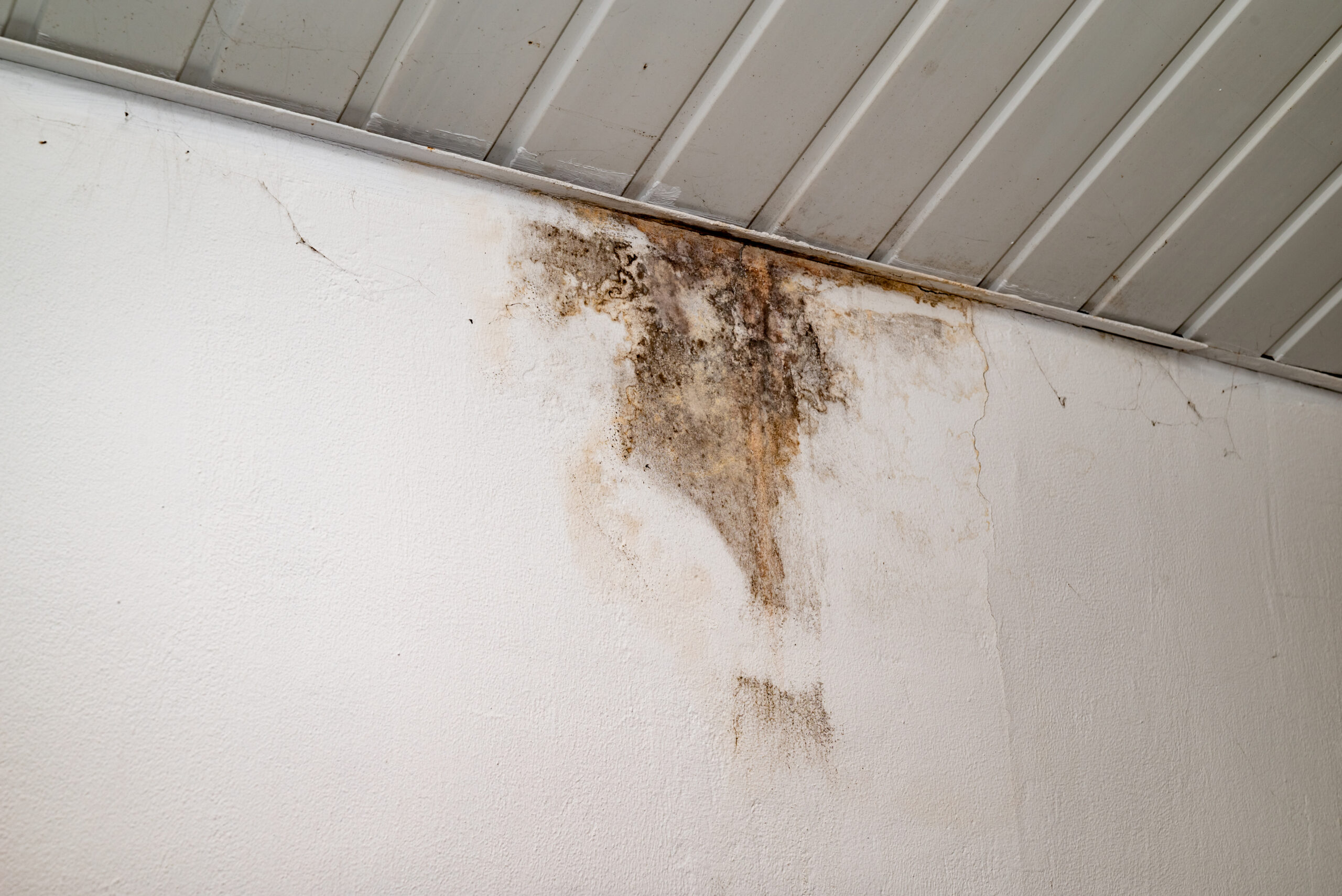
But mold growth can be stealthy, meaning you may not even be aware of the problem until (for example) you finally get around to tackling that indoor painting project you swore you were going to get done this summer and notice the telltale spots creeping up your walls. Not to worry—a gallon or two of mold killing primer should do the trick, right? Wrong.
What is mold killing primer?
Most of us are familiar with primer. It is used as a basecoat before painting an interior surface, either to mask a previous paint color or to cover up any stains or discoloration so they are not visible beneath the new paint (or both). Using primer ensures a smooth and even finish after the final coat of paint has been applied.
In recent years, “mold killing primer” products have become a popular addition to the paint product market, with manufacturers claiming they have the power to kill mold, mildew, and other types of fungus. This is not true.
If you read the fine print, you will notice that the majority of mold killing primers instruct users to first remove any existing mold or mildew growth, implying that they are mold resistant rather than mold killing, meaning they are more of a preventative aid.
Or, the instructions read that the primer is designed to be used on non-porous surfaces. News flash: The most common material for indoor walls is drywall, and it’s extremely porous. Also porous? Wood, (including shiplap), acoustic panels, and wallpaper—just in case you were thinking of using primer on top of those.
Why do these products say to remove the mold first or to limit their use to non-porous surfaces? The answer is because:
- Mold loves moisture; and
- Organic materials such as wood and drywall are porous by nature, meaning they are full of tiny holes where moisture can get in (making them a favorite food source for mold).
So, if you use a primer or paint product atop existing mold growth, the mold will just continue to thrive beneath the surface, potentially destroying the foundational materials beneath.
All of this is to say you’re right back where you started: with a mold problem that needs to be addressed before you can carry on with your home improvement plans.
What kills mold (really)?
Does bleach kill mold? What about vinegar or store-bought mold sprays? In most cases, no. While these products may provide a quick fix for cleaning smaller areas of mold and mildew growth, they generally do very little to address the underlying problem. The key to mold removal is making sure you are as thorough as possible, because what you can see on the surface is often just the beginning.
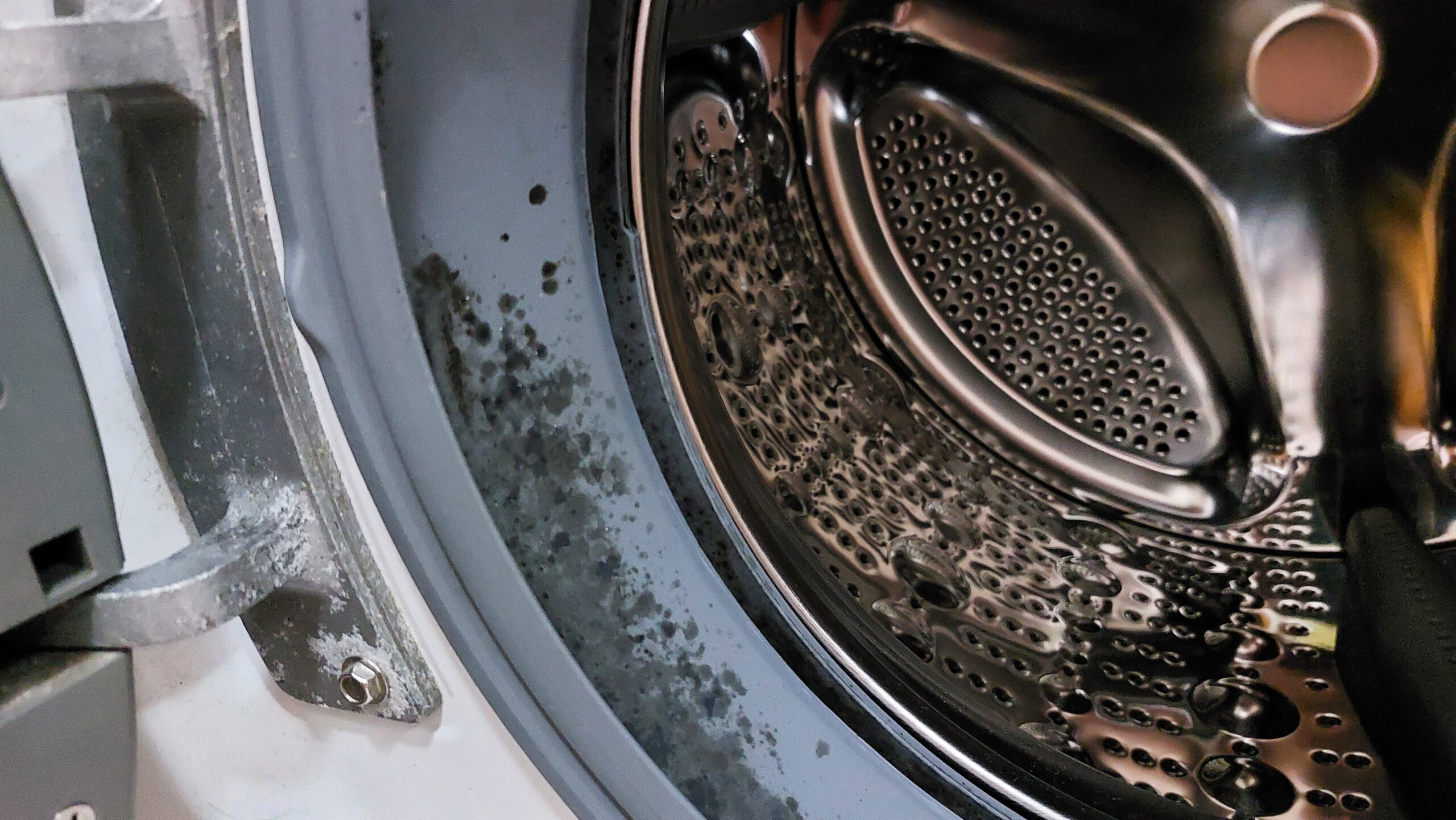
Mold growth can be lurking behind walls, beneath floorboards, and in hidden corners throughout your home or business. For this reason, before you spend your money on mold killing primer and other products that probably won’t work, the smart move is to find a mold removal professional you can trust to help you identify exactly what type of mold you are dealing with and the best way to fix the issue.
The best option for your health, your property, and your wallet
Indoor mold growth is one of those things home and business owners hope they never have to deal with—and not just because a mold problem can be ugly to look at or unpleasant to smell. Mold is a known health hazard, and exposure can lead to increased allergy symptoms, breathing problems, headaches, fatigue, and other issues.
Mold can also inflict lasting damage on your property by eating away at structural materials such as wood and drywall, along with carpet, upholstery, and other materials. In addition, most personal items affected by mold growth (including books, toys, bedding, and clothing) are not salvageable and must be thrown away.
Bottom line: What started out as a seemingly minor mold problem can end up making a major dent in your wallet. Best to delay that painting project a little longer if it means saving money and safeguarding the health of your family or your business patrons.
Let our free consultation give you peace of mind.
At Connecticut Mold Pros, mold removal and mold remediation are what we do best. Our trained and certified specialists will come to your home or business at your convenience to assess the damage and help you determine the best course of action. The initial consultation is 100% free of charge.
Depending on the scope and severity of your mold growth issue, we can often go from the first phone call to being completely done in a week or less—sometimes even the very next day. We also offer mold testing services to provide added peace of mind for home and business owners.
Call us today at (203) 920-0265 to schedule a free consultation or fill out our online form with your message and a member of our team will reach out to you shortly.
.svg)