

Spring is here and Connecticut homeowners can finally breathe a sigh of relief. After all, surviving extreme winters is what New Englanders do best. And while it may not have been the coldest or the snowiest on record, the 2025–2026 winter season was not mild by any means.
So before you throw open the doors and windows and start tackling all those outdoor projects on your spring and summer to-do list, conduct a quick survey of your home and surrounding property to ensure this winter didn’t leave behind the gift of water damage.
New England homes and water damage
Whether they were built in this century or the last, residential homes in Connecticut are particularly susceptible to water damage resulting from winter storms.
Snowmelt is one of the biggest concerns, especially if the weather warms considerably after heavy snow. At ground level, melting snow and ice around the exterior of your home can significantly increase the moisture content in the soil. This leads to high water tables and increases the risk of basement water damage.
On the roof, the continuous melting and freezing of accumulated snow can cause patches of hard-packed ice to form. These so-called ice dams then block the flow of water down and away from the roof, becoming one of the prime causes of attic mold. From there, moisture can spread down through the floors and walls into the rest of the house.
Other common causes of water damage caused by winter weather include burst pipes resulting from freezing temperatures, roof damage (caused by falling trees and other debris) that leads to excess water indoors, and leaks caused by added stress on your hot water heater during the colder months.
Is your home in the clear?
When the snow ends and the days start to get warmer, homeowners can easily be fooled into thinking everything is normal—especially if there is no visible evidence of major damage. However, because undetected indoor moisture can quickly lead to mold growth (and all the problems that come with it), you should keep an eye out for the following signs of hidden water damage.
5 signs you may have hidden water damage:
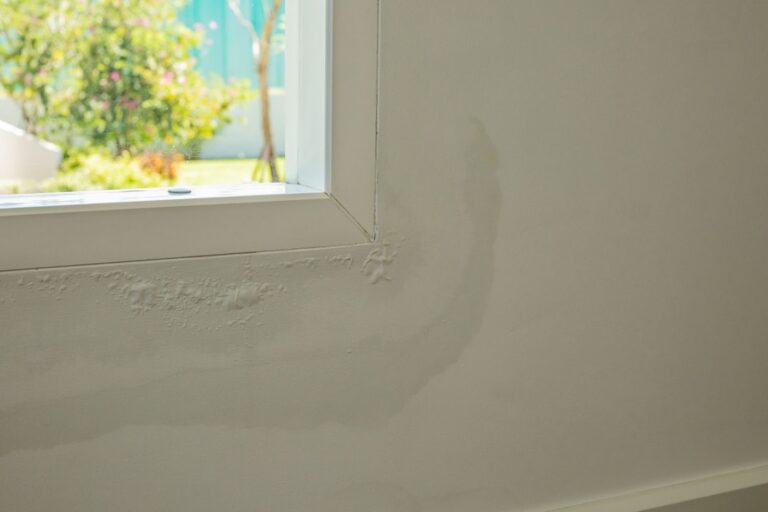
- Your paint and/or wallpaper is bubbling or peeling. This (along with telltale water rings on your surface finishes) usually means unwanted moisture is present, either from an active leak or higher-than-normal indoor humidity.
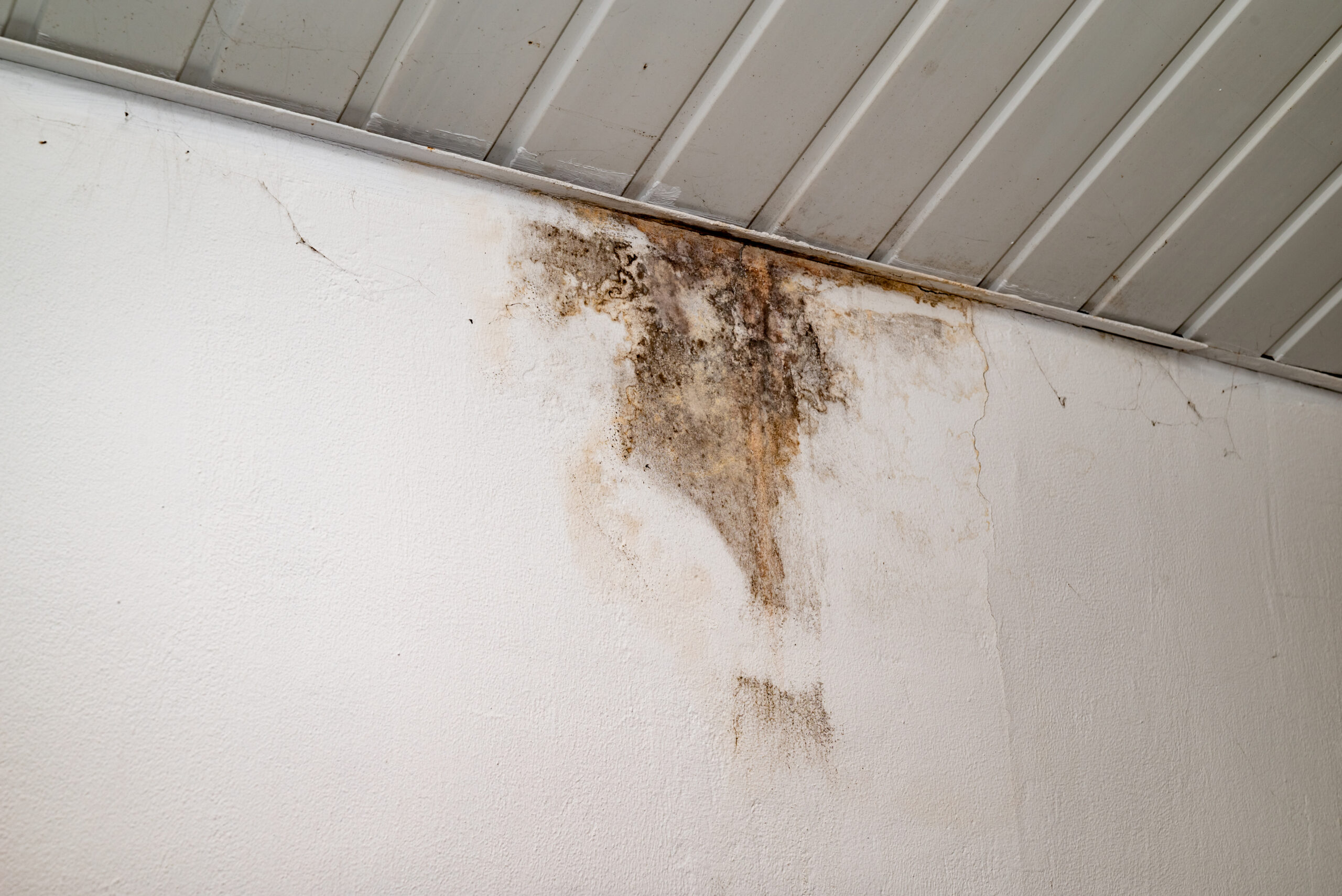
- There is an unpleasant smell in the air. Water damage and excess moisture create a prime opportunity for mold growth. Mold grows quickly in the right conditions and is often identified by a damp, musty odor.
- Your water bill is higher than normal. If your indoor water usage has stayed the same but you still see a sudden spike in your monthly bill, a hidden water leak or plumbing issue is the likely culprit.
- Things are looking a little buggy. Insects including ants, gnats, and silverfish are drawn to moist environments. Seeing more indoor bug activity than usual is often an indication of hidden water damage.
- Sagging ceilings, sticky doors, and creaky floors. Materials such as wood and drywall are particularly susceptible to moisture and will often warp, buckle, or bulge to let you know something is amiss beneath the surface.
What happens if you ignore water damage?
The consequences of ignoring water damage in your home or delaying water damage restoration can range from a minor inconvenience to a full-blown catastrophe. Not only can untreated water damage lead to costly renovations, but the resulting mold growth can lead to health problems (for both people and pets) and additional property damage as the mold eats away at structural materials and wreaks havoc on your personal belongings. When that happens, residential mold restoration becomes a necessity.
Extraction to insurance claim support: We do it all
If your home sustained water damage from winter storms or any other unexpected event, CT Mold Pros is your first call.
Our water damage restoration specialists do it all, beginning with a thorough initial assessment to identify the water source and determine the scope of the damage. From there, we take care of extraction, drying, removing damaged materials, along with mold testing and mold remediation services. We even work with your insurance adjuster to confirm your policy details and ensure the entire process goes smoothly from start to finish.
Call us today at (203) 920-0265 to schedule a free consultation or fill out our online form with your message and a member of our team will reach out to you shortly.

.svg)