

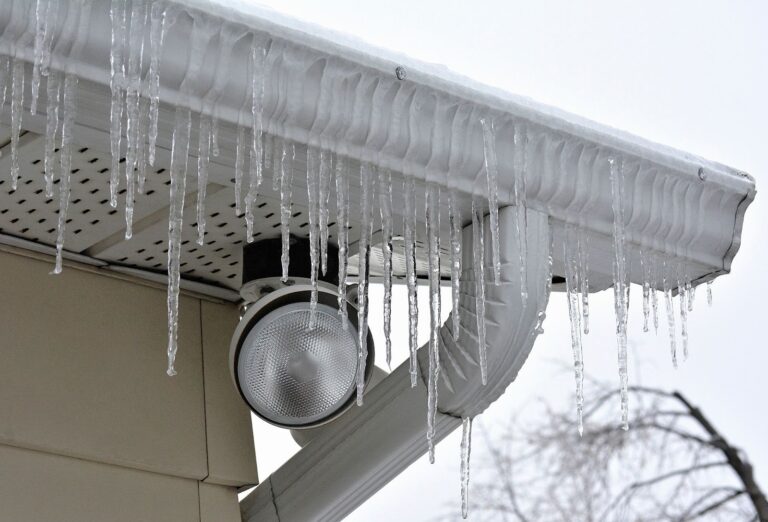
Most years, you can count on Connecticut getting a few feet of snow over the winter. And while that may be great for cold-weather sports enthusiasts (and kids hoping for a day or two off from school), it is not always great for homeowners.
Heavy snow buildup on the roof of your home puts added stress on your roofing materials and can threaten the structural integrity of your residence by causing the roof to sag or develop cracks and leaks—but the potential problems don’t end there.
Snow on the roof can also lead to ice dams, which are notorious for causing indoor mold problems. Read on to find out how ice dams form, the damage they can cause to your property, and how smart homeowners can prevent them from becoming a problem.
What are ice dams?
Ice dams are a common problem for homeowners in the Northeast, especially during heavy precipitation seasons. They form when snow that has accumulated on the roof melts in the sun and then the water freezes again once the temperature drops.
Over time, this pattern of continuous melting and freezing causes “dams” of hard-packed ice. Those dams then block the flow of water down and away from the roof, creating small puddles of trapped water that has nowhere to go.
How do ice dams lead to mold?
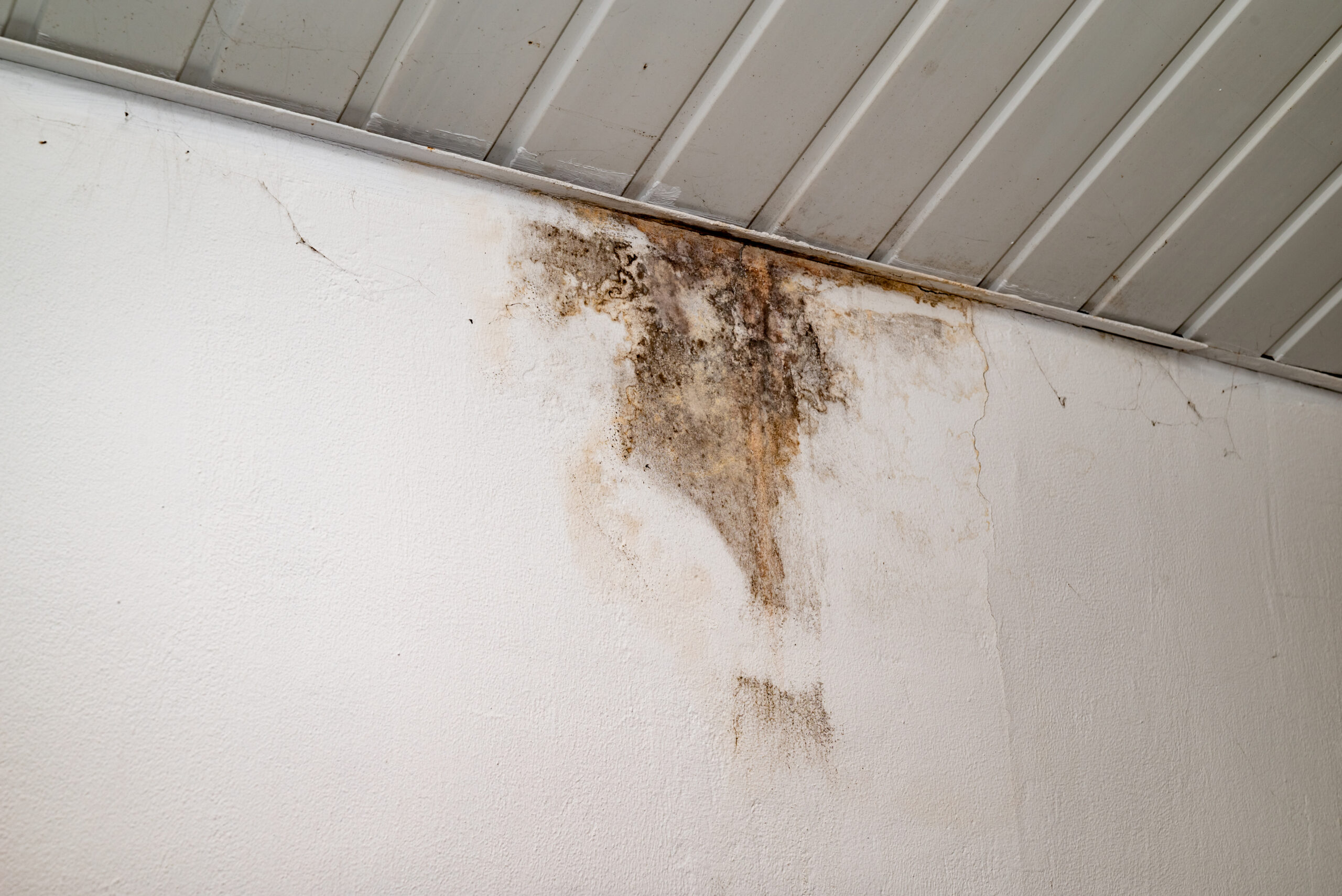
Eventually, the ice and water on your roof make their way underneath the shingles and into the attic. From there, the unwanted moisture from a leaky roof can travel down, down, down into other areas of the home. And where there is moisture, mold is never far behind.
Microscopic mold spores are present in every home. However, under the right conditions, those spores can gather and form visible colonies. By the time you are able to see (or smell) mold inside your home, the problem is often too big to handle on your own.
Mold thrives in moist conditions, so the more water that enters your home, the bigger the threat. Not only does mold eat away at organic materials such as wood, drywall, carpet, and upholstery, but exposure to indoor mold growth can lead to increased allergy symptoms and other more severe health problems if left untreated.
Tips to prevent ice dams in winter
New England winters are a given—but ice dams don’t have to be. Now and throughout the year, there are a few key steps you can take to prevent ice dams from forming and to safeguard your house from damage.
Assess your attic.
Is it properly insulated with good ventilation? Both are paramount to preventing ice dams because they help to regulate the temperature inside your attic. This keeps air flow consistent and prevents heat loss during the winter months. Also check the sealant around your chimney, vent pipes, exhaust fans, and any windows or hatches to prevent air leaks.
Keep gutters clean and free of debris.
At least twice a year, clean out your gutters to eliminate leaves, dirt, and other debris that can collect inside. In the winter, do your best to keep gutters and downspouts snow and icicle free. You may also want to consider using a heating element in your gutters (such as heat tape) to prevent ice and snow buildup and ensure water flows away from your house instead of down into it.
Make snow removal a priority.
Keeping the snow on your roof to a minimum will go a long way toward reducing the risk of ice dams during the winter—and preventing indoor mold growth. You can remove the snow yourself after each significant storm using a roof rake (available at most hardware or home improvement stores) or you can hire a snow removal service to handle the job for you.
Conclusion
While most people associate mold growth with warmer weather, it is a year-round concern for Connecticut homeowners. The cycle of melting and freezing after winter storms creates prime conditions for the formation of ice dams, which can allow moisture to enter your home and contribute to the spread of mold throughout the house.
To keep your home and family safe this season, partner with the experts at Connecticut Mold Pros to handle all your mold-related needs. Call us today at (203) 920-0265 for a free estimate or fill out our online form with your message and a member of our team will respond shortly.
.svg)