
Hardwood flooring is popular in Connecticut homes. Wood floors are durable, easy to clean, and hypoallergenic, and they have a distinctly warm and inviting look that adds a timeless aesthetic to your indoor space.
If yours is an older New England home built before 1950, you likely have wood flooring. There is a chance it may have been covered by carpet or laminate over the years, but many homeowners nowadays are opting to ditch the carpet and restore their original hardwood floors.
In many cases, the natural wood has been well protected by the materials laid over it, but this is not always the case. If your property has been exposed to water damage from seasonal storms or leaking appliances, or if you have trouble controlling indoor humidity, your beautiful wood floors may be harboring an unwanted visitor: mold.
Why mold loves your wood floors
Mold is a type of fungi that is found all over the world, both outside and indoors.
Experts tell us there are at least 100,000 species of mold in existence today, though some scientists estimate that number is closer to 1.5 million species.
Why is mold so abundant? Because it will grow anywhere it can find wet or humid conditions. Aside from that, all mold needs is oxygen and something to eat.
Mold consumes organic material, which includes items found inside every house: wood, drywall, carpeting, insulation, food, paper products, upholstery, and even household dirt. Without the right protection from moisture, your wood flooring is a gourmet meal for mold.
How to spot signs of mold under hardwood floors
Because of their proximity to your subflooring, hardwood floors are highly susceptible to mold growth. Any moisture that makes its way into the gap between the two is generally not detected until it is too late, so knowing how to spot the warning signs is important.
If you suspect your floors may have a mold problem, keep an eye out for the following.
Warping or buckling. Not just a tripping hazard, warped wood floors often point to an underlying moisture problem—and where there’s moisture, there is often mold. If the wood looks curved or wavy, or if there are noticeable dips, bubbles, or areas where the edges have come up, it is worth examining further to ensure hidden mold is not lurking beneath your feet.
Soft or spongy areas. When walking on your floors feels like stepping on spongy foam tiles, that is never a good sign. This phenomenon occurs often around appliances, mainly the dishwasher and the refrigerator, and typically indicates a hidden leak. Also check around your exterior doors, where gaps in the sealing may have allowed water to seep in and penetrate the wood.
Musty odor. One of the biggest indicators of a hidden mold problem is an unpleasant smell. If you notice a lingering funk even after your normal cleaning routine, do a quick investigation to rule out any possible non-mold culprits—then call a mold removal expert to check it out. Many types of mold release gases into the air that can give off a range of bad smells.
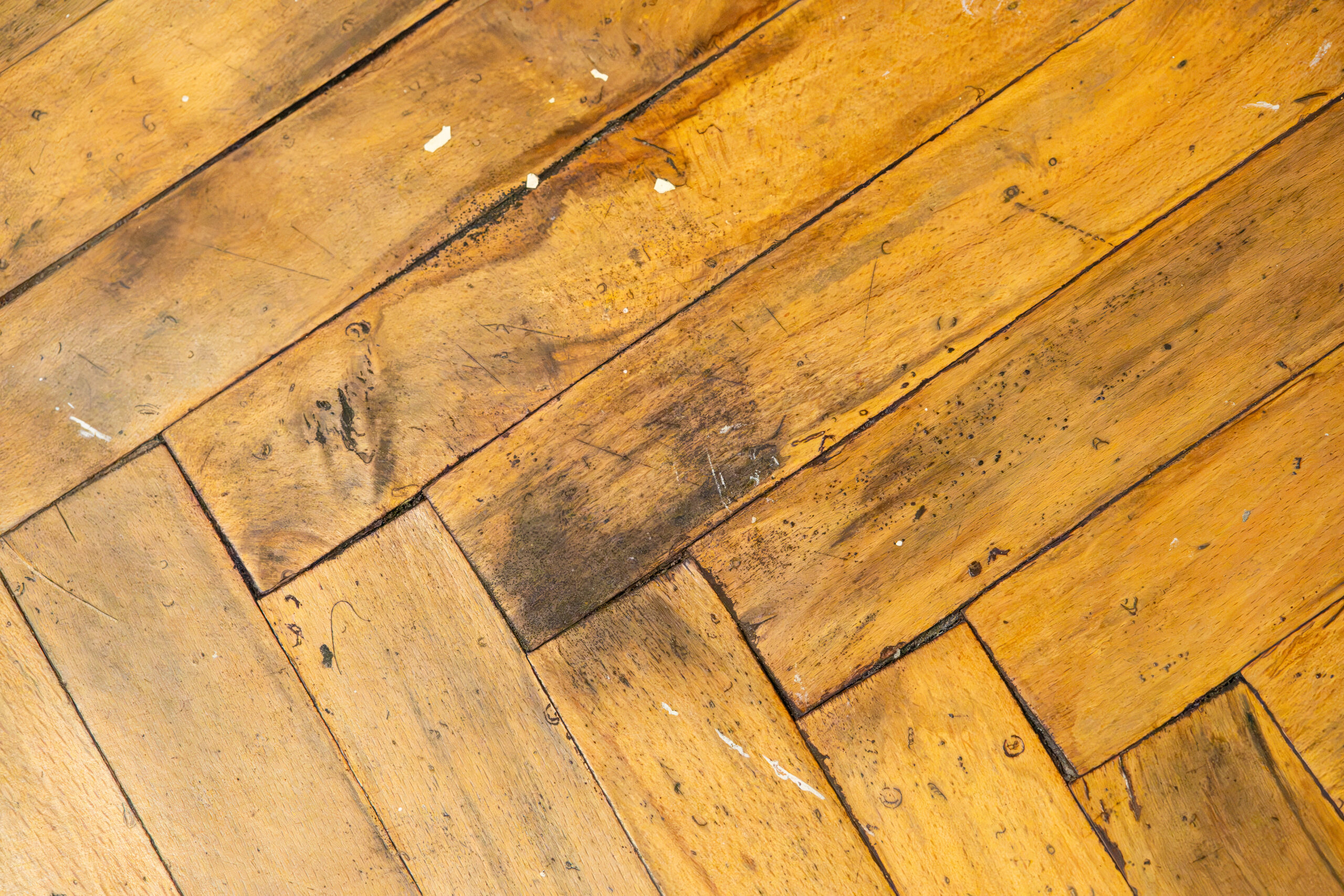
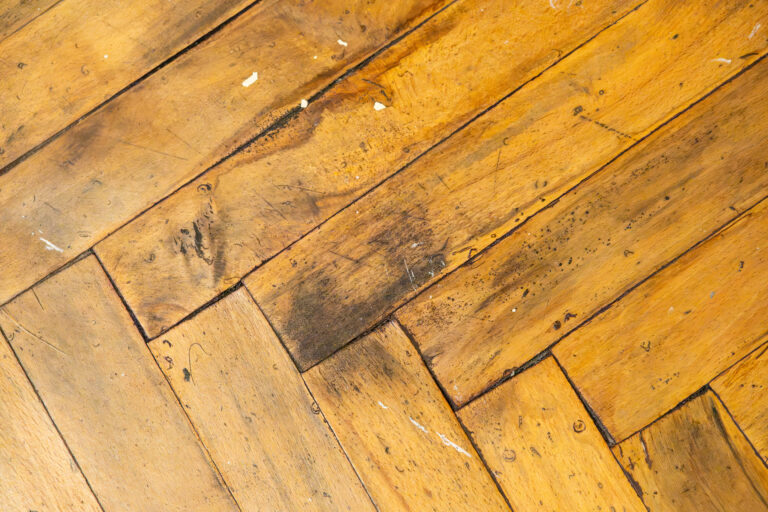
Visible signs of mold. Mold identification will not always be this easy, but if you notice dark spots or discoloration on or around your hardwood floors (including on the walls, doors, carpet, and other surfaces that border your wood flooring) it’s most likely mold, especially if you can rule out dirt or other common causes of staining.
Increase in allergy symptoms. One of the most common—but often overlooked—signs of an indoor mold problem is an uptick in allergy symptoms that fail to go away after taking the usual remedies. Because mold beneath your flooring can grow for a long time before you even know you have a problem, this is one of the top signs to be on the lookout for.
We know what to look for (and what comes next)
Identifying mold under your hardwood floors is not always as simple as spotting mold in the bathroom or beneath the kitchen sink. Leave it to the professionals at CT Mold Pros to do a thorough inspection of your home and determine whether or not your flooring can be salvaged or if it needs to be replaced because of mold damage.
Our technicians are certified as required by Connecticut law and trained to provide a full range of mold remediation services—from mold testing and water damage restoration to indoor air quality solutions that help to control indoor humidity and keep your home environment safe and healthy.
Call CT Mold Pros today at (203) 920-0265 to schedule a free consultation, or fill out our online form with your message and a member of our team will reach out to you shortly.