


Buying a house is one of the biggest financial purchases the average American will make in their lifetime. And according to the National Association of Realtors, most homeowners will live in the same house for over a decade.
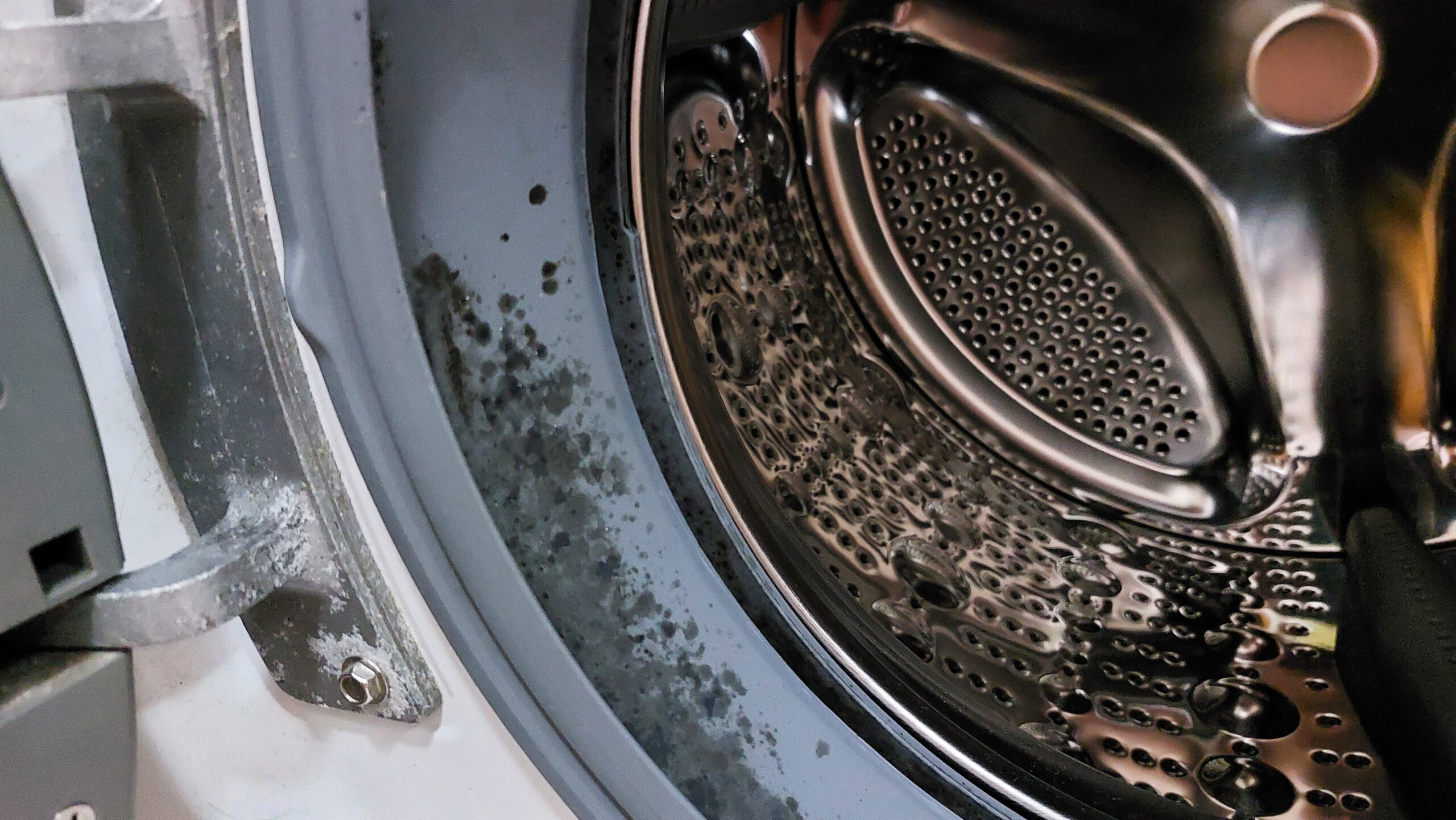
Once all of the paperwork has been signed and the keys have been handed over, the last thing you want is to find out that your new home came with a mold problem.
If you are in the market for a new home and worried about a potential mold problem, or if you are a seller or real estate agent hoping to avoid a sale falling through because of mold, the following simple steps are a smart way to keep mold out of the contract.
Home buyers: Be smart about mold.
It may seem like a small thing to be on the lookout for as you visit the properties on your list, but even a small spot of mold can mean big problems down the line. When you finally find “the one” and are ready to make an offer, how can you be smart about mold?
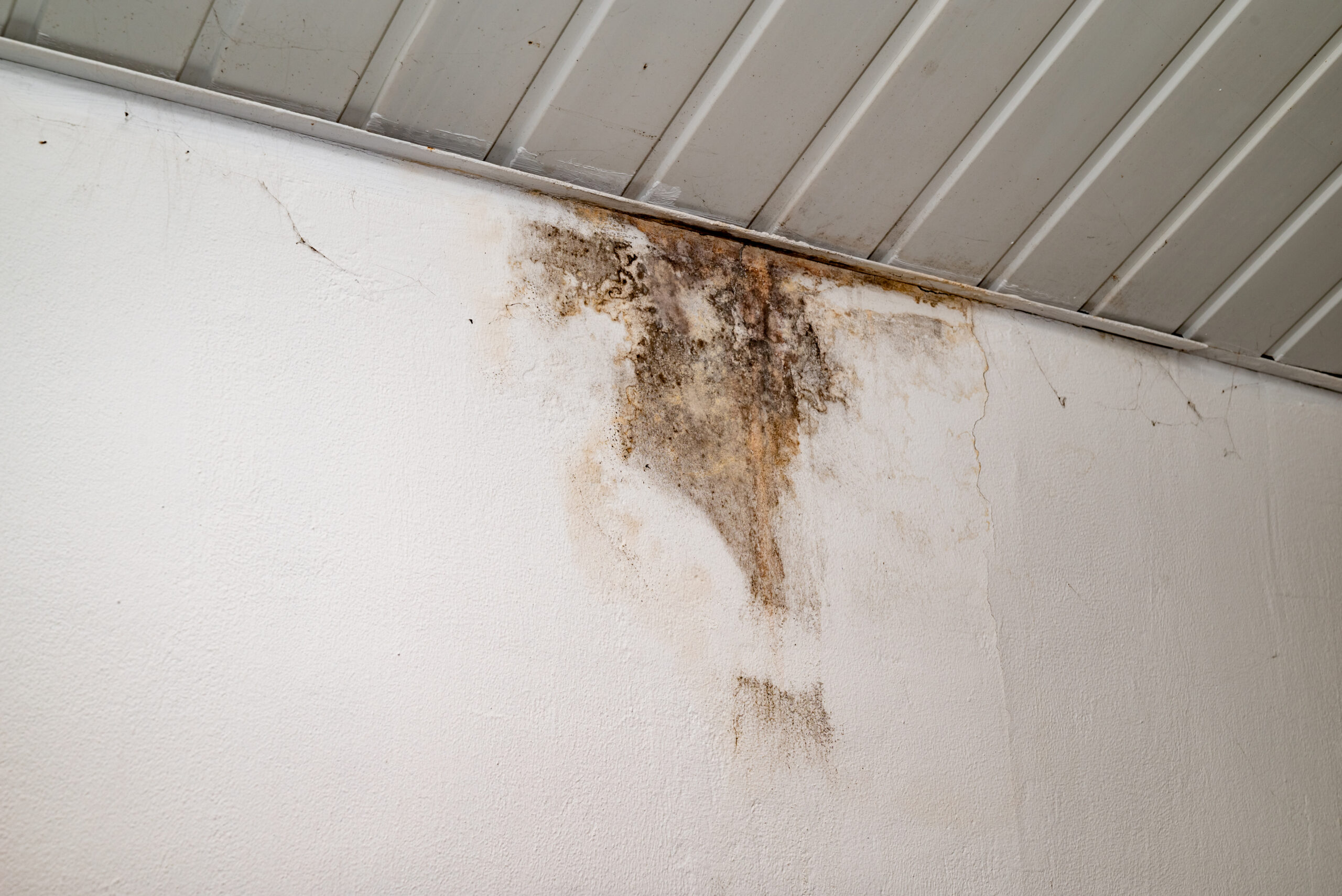
- Don’t skip the inspection. Although not legally required, a home inspection is a good way to spot a potential mold problem, and fairly inexpensive at around a few hundred dollars. Generally, inspectors will focus on structural aspects such as HVAC systems, plumbing, and electrical work, but they will also be looking for signs of water damage. And wherever there is moisture, there is bound to be mold. If your home inspector finds evidence of water damage, the next step is to hire a certified mold inspector.
- Consider the property value. An existing indoor mold problem is a big red flag, and one that can easily lower the value of the home and affect both financing and appraisal outcomes. Not only can mold growth impact the integrity of the property by feeding on structural materials such as wood and drywall, but exposure to indoor mold can increase the risk of allergy symptoms and other more serious conditions for you and your family.
- Make remediation non-negotiable. If you know the house you want to buy has mold, make sure a full professional remediation service is completed before you move in. The sellers may choose to cover the costs in exchange for lowering the purchase price of the home, or you can work together to come up with a negotiation agreement that is acceptable to both parties.
Sellers and real estate agents: Be proactive.
If you are preparing a home for sale and discover a mold problem, two things are critical: fast action and transparency.
Mold grows quickly and can easily become an even bigger problem the longer you wait. Because mold growth can contribute to property damage as well as pose a potential health risk for the buyers, you should contact a mold inspector at the first sign of a problem so they can quickly identify the extent of the mold growth and determine the best path to resolution.
The next step is to be honest and tell potential buyers about the mold issue. (In fact, in most states—including Connecticut—sellers are required to disclose any known mold issues.) If remediation is necessary, you have two choices:
1.) Hire a professional to take care of the problem before listing the property (or before the sale goes through if the mold was found during an inspection). If you decide on this option, make sure you provide the buyer with documentation showing proof of the completed remediation.
2.) Offer a credit to help the buyer cover the cost of the remediation service or negotiate a lower price for the listed property.
Bought a mold problem? We can help.
In some cases, mold growth is only discovered after the home sale is complete. If you recently purchased a new home and later discovered it came with an unexpected mold issue, contact CT Mold Pros today for fast and reliable service.
We are experts in the field of mold removal and restoration, and our highly trained and certified specialists ensure every step of the mold remediation process is executed with precision and care.
Call (203) 920-0265 or fill out our online form to learn more.
.svg)