


Mold is a common problem in Connecticut homes—and one that is not confined to a single season. Damp conditions and even the slightest rise in indoor humidity can trigger mold growth, but visible evidence of mold in the home is not always easy to discern.
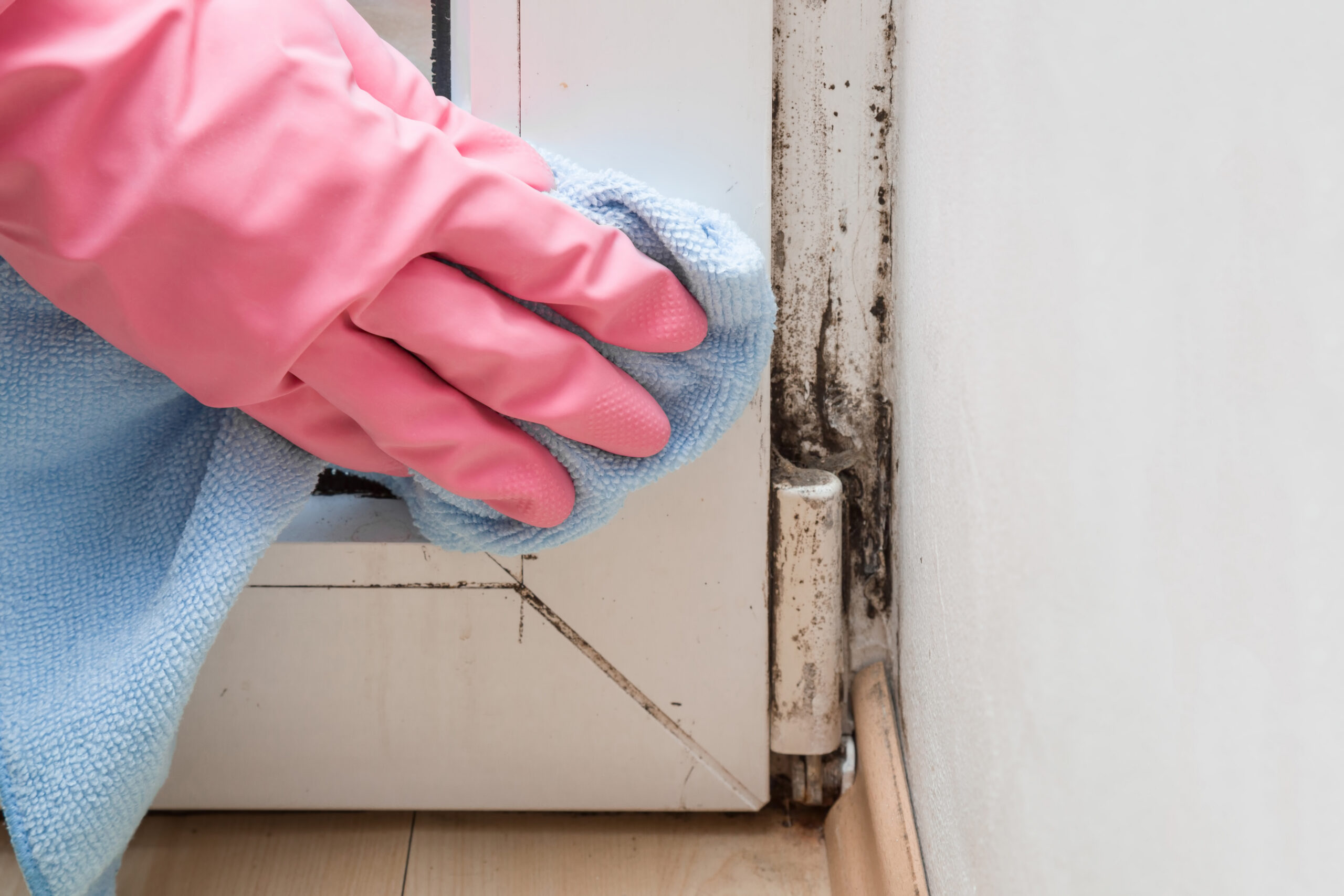
Telltale signs of mold growth include dark spots or stains on your indoor surfaces, but mold is sneaky and will often hide in places we can’t see, such as behind walls, beneath flooring, and in the dark corners of the attic or basement.
Be smart about mold detection.
Just because you can’t see mold, doesn’t mean it isn’t there. If you know this already, you know there are two main things to be on the lookout for: weird smells and unusual allergy symptoms.
Mold smells
When there is no visible evidence of mold growth, a quick way to identify a mold problem is to use your nose. While we generally associate mold with musty, earthy odors, indoor mold smells can vary widely, from slightly sweet or even sour to the smell of rotting vegetation.
Mold allergy symptoms
Another simple (but often overlooked) sign of a mold problem is the onset or exacerbation of allergy symptoms in people and pets. Mold spores that are allowed to collect and multiply can negatively impact a healthy indoor environment and cause symptoms that may mimic seasonal allergies but are not resolved with typical remedies.
Always ask an expert.
A potential mold problem is never something you want to ignore. If you suspect mold growth because you or others in the household have noticed new or increasing allergy symptoms that are out of the ordinary, the first step toward putting your mind at ease is contacting a mold removal expert for an in-home assessment.
1. Get a preliminary assessment.
During this preliminary assessment, an experienced technician will look for common clues that typically signal mold growth, including visual signs as well as any unusual odors. Even if they find no evidence of mold, the inspection should not end there.
2. Schedule in-home mold testing.
Hidden mold is a significant threat to New England homes and an important reason why indoor mold testing should be the next step in the identification process. All that mold requires to grow indoors is moisture, oxygen, and a food source, which can be any organic material. Once that happens, the threat of damage to your health and property increases.
During mold testing, a certified inspector will use the proper tools and sampling techniques to detect not just surface mold but atmospheric (airborne) mold as well. They may also use a process called “bulk sampling” that involves collecting samples of common materials found throughout the home—including wood, carpet, and drywall—to be analyzed later in a lab.
3. Prioritize healthy in-home air.
Mold prevention is just as critical as mold detection, and the best way to prevent mold is to keep your indoor environment as healthy as possible. Two very simple ways to hit the reset button on your indoor air and reduce exposure to mold and other contaminants is with whole-house fogging and a high-quality air purifier.
Antimicrobial fogging penetrates tight spaces in minutes to help remove contaminants, which in turn lessens the burden on your home air filters to create a healthier environment. After fogging, installing a portable or in-duct air purification system is a smart way to ensure your indoor air remains clean and breathable. Beyond by Aerus™ clean air solutions use cutting-edge technology to reduce up to 99.9% of many common airborne and surface contaminants found inside your home.
What to know about mold toxicity
Mold is always a concern for Connecticut homeowners and their families, because exposure to indoor mold growth of any kind is unhealthy and can trigger the following mold allergy symptoms:
- Coughing, sneezing, congestion, runny nose, watery eyes
- Respiratory issues (wheezing or shortness of breath)
- Headaches
- Fatigue
But certain species of mold, including Stachybotrys chartarum (toxic black mold) release toxic compounds that may trigger more serious mold toxicity symptoms ranging from allergic reactions to severe respiratory issues, particularly in individuals with existing allergies, asthma, or compromised immune systems. A mold removal specialist will have the expertise and equipment necessary to properly identify and address your mold problem.
Out of sight does not mean in the clear.
Americans spend about 90% of their time indoors—making indoor air quality a priority. Mold is just one of the many contaminants we might be exposed to inside the home, but a lack of visible proof does not mean there is nothing to worry about.
Mold testing is the next important step, followed by prioritizing clean air solutions and regularly monitoring your indoor air quality. This comprehensive approach to keeping your indoor air clean and breathable will go a long way toward alleviating increased allergy symptoms and avoiding the need for mold allergy treatment.
Take the next steps with CT Mold Pros.
As the Connecticut mold remediation experts, CT Mold Pros is dedicated to creating healthier living environments for every client we serve. From mold testing and water damage restoration to indoor air quality solutions that help you breathe easier throughout the year, our experienced technicians deliver a full range of services to keep you and your family safe and healthy.
Call us today at (203) 920-0265 to schedule a free consultation or fill out our online form with your message and a member of our team will reach out to you shortly.

.svg)