


Colder weather has made its way to the Northeast, which means Connecticut homeowners will be spending more time indoors over the next few months. And that means an uptick in winter allergy symptoms that can not only derail your vacation plans but leave you feeling under the weather for days or weeks at a time.
The good news is that with a little preparation, you can safeguard your home against common allergens and significantly reduce the amount of tissues, nasal spray, and throat lozenges you buy this winter.
What are winter allergy symptoms?
Seasonal allergies are not just reserved for spring and summer. In fact, just as many people will experience allergy symptoms in the latter half of the year, when hibernating indoors for longer periods of time is the preferred alternative to being out in the cold.
The problem? If the air quality inside your home is less than ideal, your health may suffer the consequences. Some of the most common symptoms of winter allergies include:
- Coughing
- Runny or stuffy nose
- Sneezing
- Itchy eyes, ears, and throat
- Fatigue
- Low-grade fever
- Trouble breathing
For people with existing asthma or other respiratory conditions, winter allergies can make symptoms worse, sometimes leading to acute health problems.
The link between indoor air and winter allergies
Winter allergies are primarily environmental allergies, meaning exposure to something in the surrounding environment has triggered a response from your immune system. And because in the winter we keep the doors and windows closed for most of the season, whatever allergens are lurking indoors are sharing that space with us.
According to the American Lung Association, our indoor air can be 2 to 5 times more polluted (and sometimes up to 100 times more polluted) than the air outside. Add to that the fact that about half of all residential homes in Connecticut have working fireplaces, which not only emit irritating smoke but leave behind particles that can make winter allergies worse.
Finally, if you have had any recent indoor water damage or if it has been a while since you had your air ducts cleaned, allergens such as mold, mildew, dirt, dust, and pet dander may be lingering in places you can’t see—increasing your chances of experiencing winter allergy symptoms.
3 simple tips to keep your home healthy in winter
It may be January already, but it’s never too late to take steps to improve indoor air quality. The following simple tips can help you ward off winter allergies this season so you can stay healthy and breathe easier until the warmer days return.
1. Keep your air ducts clean.
Eliminating dirt, dust, and microbial growth from your ductwork helps to improve indoor air quality and promote a cleaner environment while increasing HVAC efficiency. CT Mold Pros partners with industry leader Stanley Steemer to keep your home safe and healthy all year long. Their air duct cleaning technicians are certified by the National Air Duct Cleaners Association (NADCA) and utilize state-of-the-art equipment to deliver a whole-system clean unlike any other.
2. Invest in a high-quality air purifier.
One of the key action items recommended by the EPA to improve indoor air quality is to use a high-efficiency air filter for your HVAC system, along with a non-ozone-emitting air purifier to promote a healthier indoor environment. Beyond by Aerus™ in-duct and portable units go beyond conventional air cleaners to help reduce air and surface contaminants and improve the comfort and safety of your indoor environment.
3. Never ignore signs of mold.
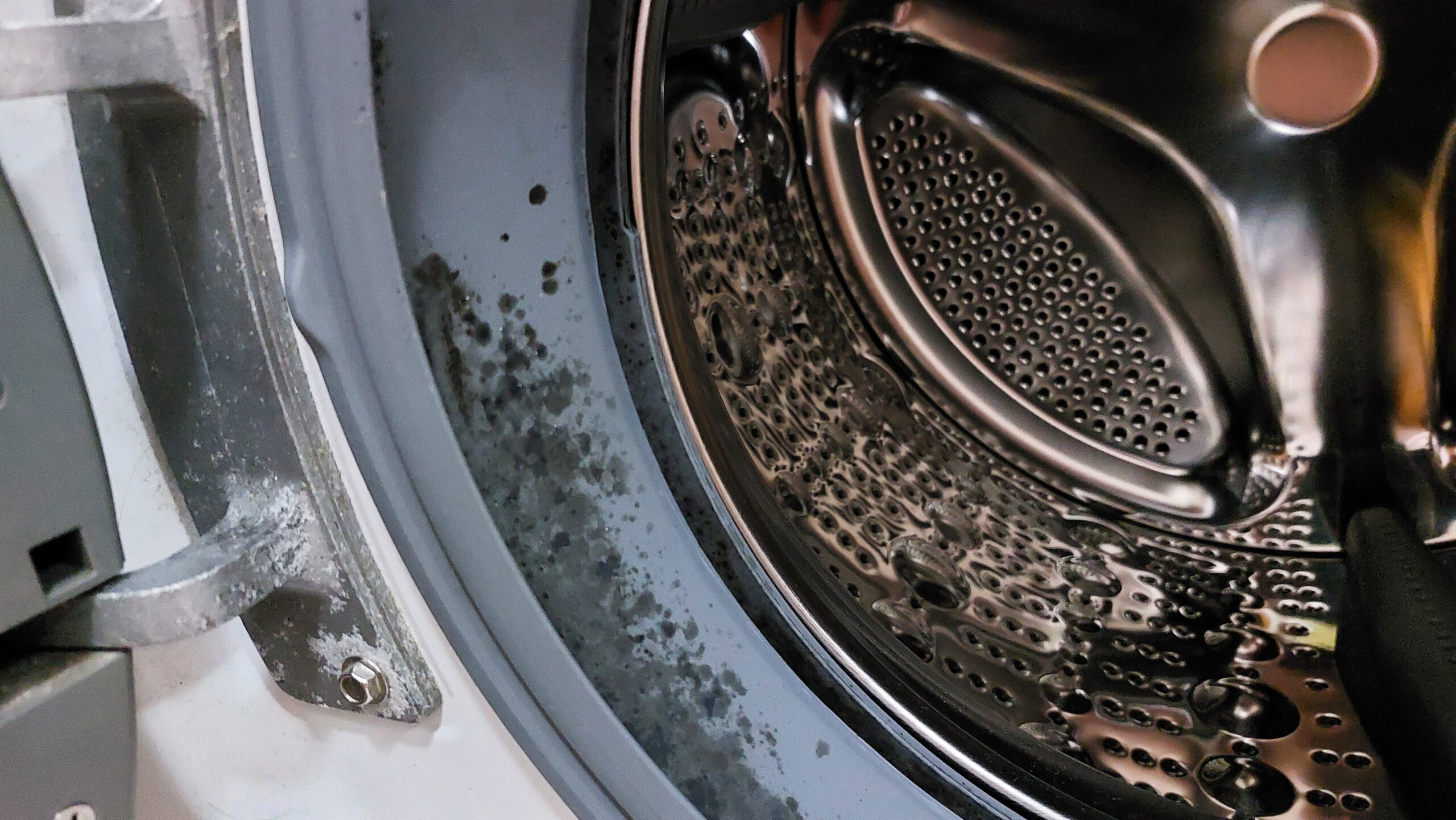
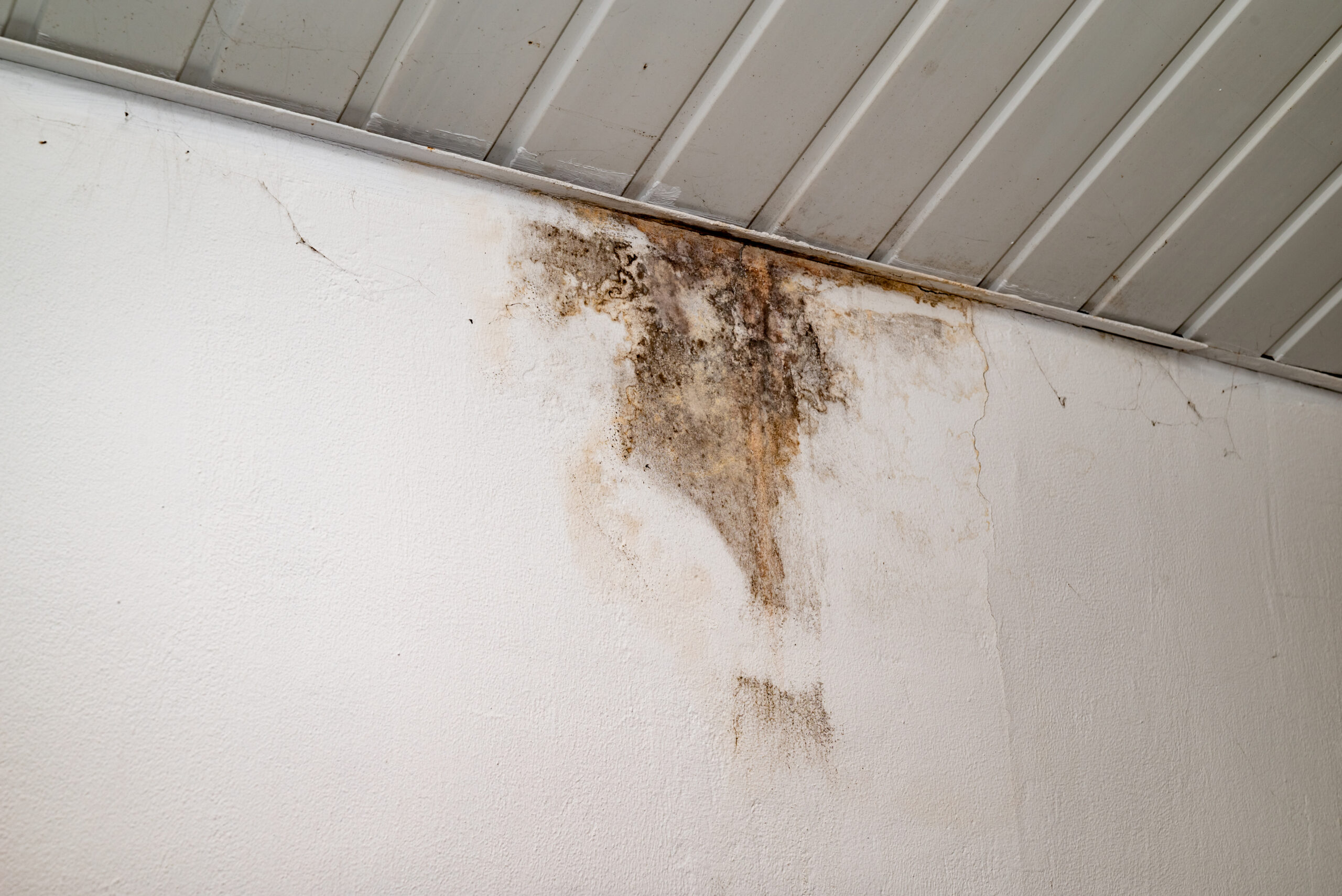
Indoor mold growth can be harmful to your health and even the health of your pets. If you recently experienced water damage, if you notice dark spots or discoloration on indoor surfaces, or if there is a musty odor coming from somewhere in your home, you likely have mold. Because mold thrives in the right conditions and can trigger winter allergy symptoms and other health problems if left untreated, it is important to partner with a mold remediation expert to identify and treat indoor mold as quickly as possible.
In addition to the tips above, other ways to reduce the risk of winter allergies include:
- Vacuum and dust frequently
- Regularly wash clothes, bedding, and blankets
- Use hypoallergenic pillow and mattress covers
- Keep indoor humidity levels within the ideal range
Breathe easier this winter with CT Mold Pros.
From indoor mold testing and mold remediation to water damage restoration, air duct cleaning, and air purification solutions, we provide a comprehensive range of services to keep your indoor environment safe and clean this winter season and throughout the year. Call us today at (203) 920-0265 for a free estimate or fill out our online form with your message and a member of our team will respond shortly.
.svg)