

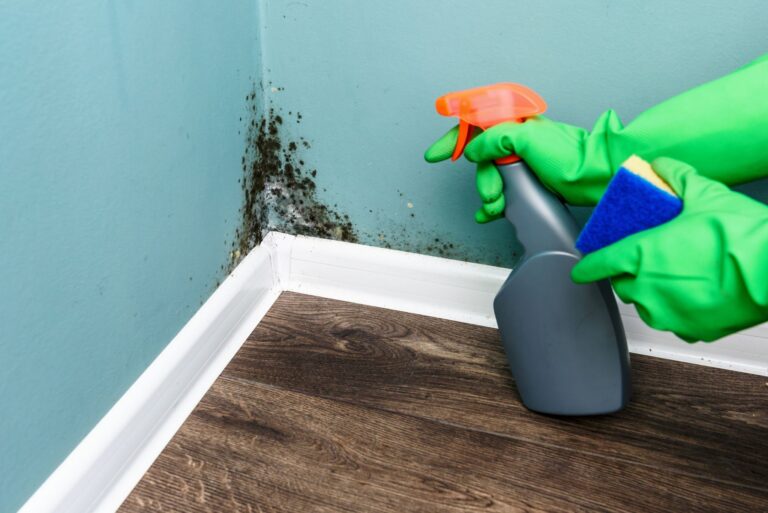
Nearly three hundred hours every year. According to a recent poll, that’s how much time the average American dedicates to house cleaning—roughly six hours a week set aside for dusting, scrubbing, vacuuming, and polishing our indoor spaces to keep them clean and tidy.
But what happens when the problem is bigger than everyday dirt and grime?
Indoor mold growth can happen even in the most spotless houses. When it does, you may be tempted to grab your trusty stash of supplies and get to work. But nine times out of ten, those off-the-shelf cleaning sprays are not enough to eliminate the problem completely.
Keep reading to find out how mold growth happens and the best way to approach the issue if you discover mold inside your home.
How common is indoor mold?
It may come as a surprise to learn that no home is completely mold-free.
Trace amounts of mold are always present in the form of microscopic units called spores that can remain airborne for long periods of time. It’s when conditions change and those spores have an opportunity to gather and form colonies that the real trouble starts.
Mold thrives in moist environments, so even a slight increase in indoor humidity can become an issue. And as long as it has oxygen and a food source—preferably anything organic such as wood, fabric, or drywall—it’s game on. In as little as 48 hours, you could have a full-blown mold problem.
How can you tell if you have indoor mold growth?
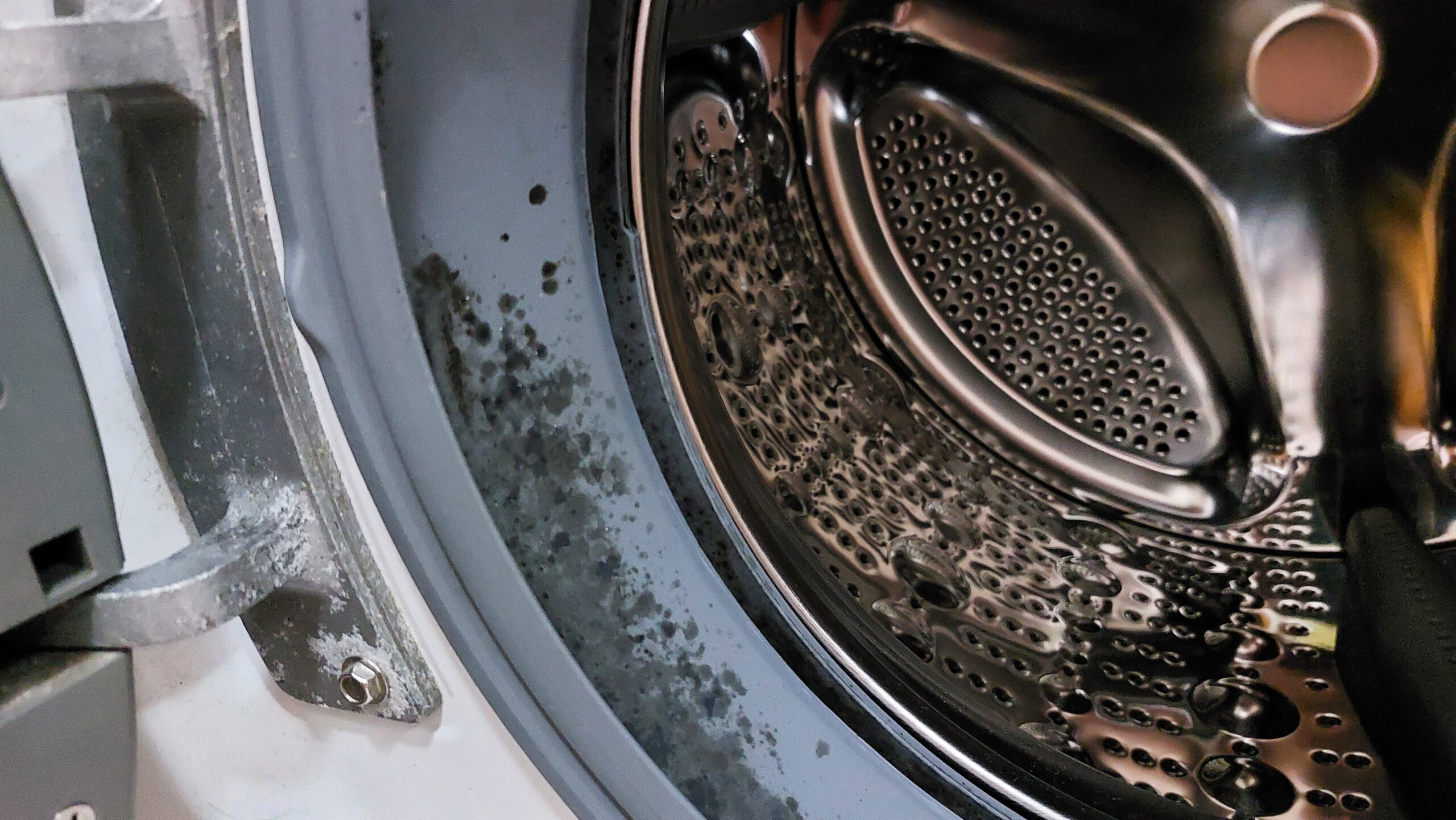
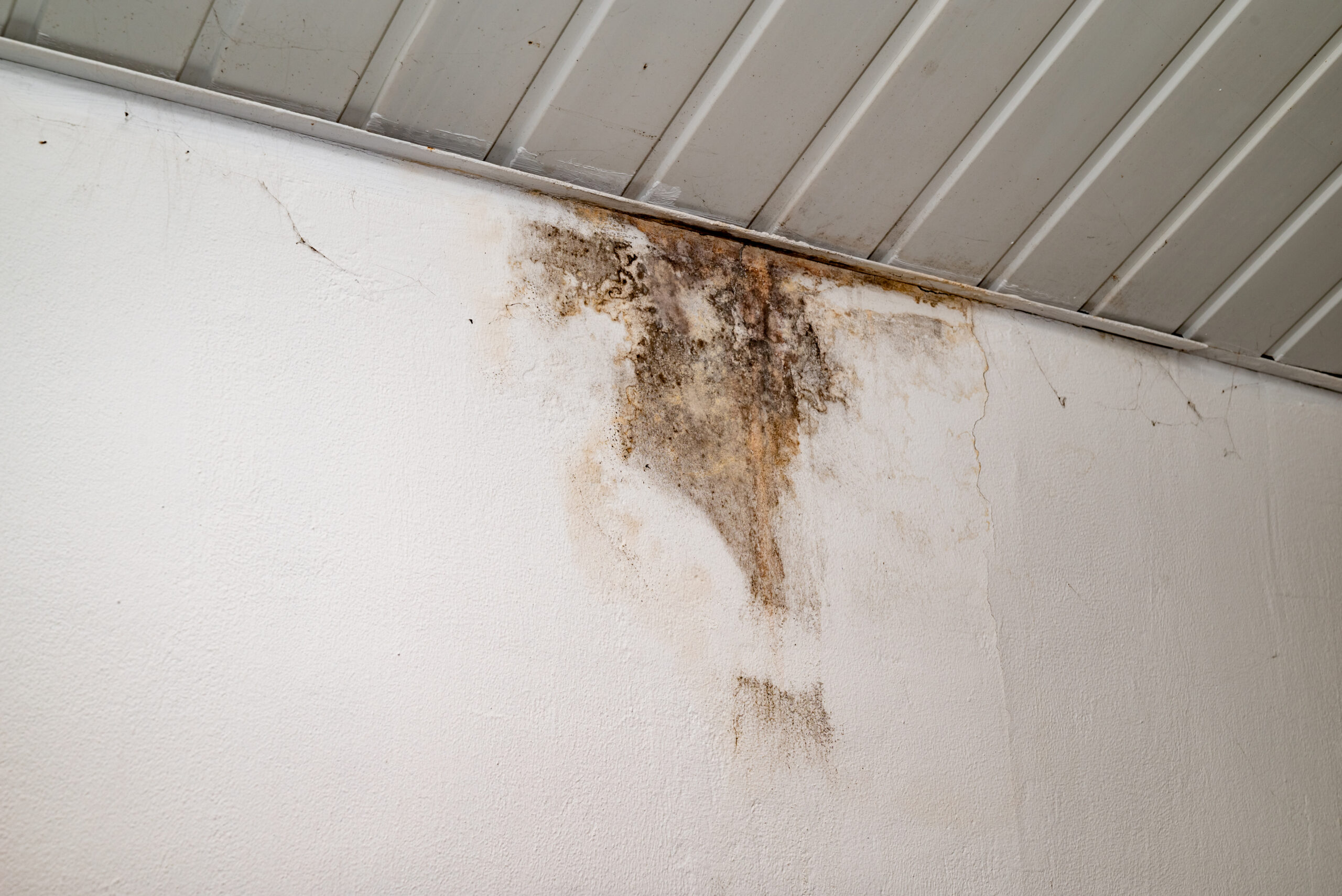
Mold colonies often appear as dark spots or discoloration on your indoor surfaces, but they may not always be visible. You should also be mindful of any new (and likely unpleasant) smells in the home that may indicate the presence of mold.
Other signs of mold growth include the appearance of condensation (visible droplets of water) on your indoor surfaces, bubbling or peeling paint or wallpaper, and increased allergy symptoms in people and pets.
What kills mold?
Because mold is a living organism, there is the assumption that we can kill it and get rid of the problem for good. However, now that you know microscopic mold spores are always present in your indoor air, you understand why “killing” mold is not exactly the right terminology.
Instead, when dealing with indoor mold, the goal is always twofold:
- To remove the mold that is visible on your indoor surfaces
- To prevent future mold growth problems inside your home
How do you do that? Your first instinct may be to tackle your mold problem with a strong cleaner such as bleach. This is a definite no-no, since bleach can actually make the problem worse.
Vinegar is another commonly touted mold remedy due to its mild acidity, but it is more effective as a surface cleaner and fails to treat the source of the problem. Likewise, store-bought mold remover and mold spray options—including popular products that promise to “dissolve” mold on contact—only provide a surface-level clean and are ineffective at treating hidden mold and preventing future mold growth.
Bottom line: Wiping away mold spots doesn’t kill the roots. And if you have a visible indoor mold problem, there’s a good chance you also have a hidden indoor mold problem.
Even if you plan to DIY your mold cleaning, it is a smart idea to contact a professional mold remediation company first. That way, they can perform a thorough assessment and help you determine the full scope of the problem and what to do next.
Take an expert approach to indoor mold
While no homeowner wants to see mold growing on their walls, floors, or other surfaces, wiping away the visible spots of mold with a store-bought cleaner is just a quick cosmetic fix. The best way to treat a mold problem is by first identifying all of the factors that may be contributing to mold growth and then taking the necessary steps to restore and maintain a safe and healthy indoor environment.
The highly trained and certified technicians at CT Mold Pros follow a 4-step mold remediation process that includes a complete assessment of your home, containment of the affected areas, treatment and neutralization using EPA-registered materials, and removal of all waste. We can also provide helpful guidance on ways to improve your indoor air quality and maintain optimal humidity levels.
Call us today at (203) 920-0265 to schedule a free consultation or fill out our online form with your message and a member of our team will reach out to you shortly.
.svg)