

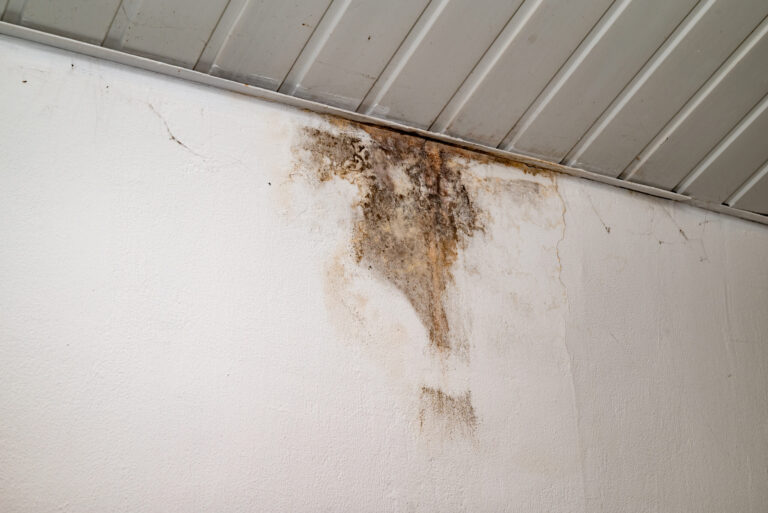
Garages are among the most common places to find mold indoors.
The problem? Too many homeowners think garage mold can be ignored—but doing so can put both your health and your property in danger. If you think you have mold in your garage, call a mold removal specialist immediately for a no-cost assessment to put your mind at ease.
Keep reading to learn more about what causes mold growth in your Connecticut garage and why it definitely deserves your attention. And if there is no sign of mold in your garage? Get our best tips to keep it that way.
Why does garage mold happen?
The thing about mold is that it’s wildly opportunistic.
Microscopic mold spores are always present in the air, and they only need a handful of things to grow: primarily moisture (even a little bit) and a food source (any organic material). Once those conditions are met, mold growth will quickly gather on indoor surfaces and begin to spread. In the garage especially, the following things are notorious for triggering mold growth.
Storing wet stuff. “Just leave it in the garage!” Ah, the age-old advice when it comes to damp or wet things we don’t want dragged into the house. From soaked shoes and towels to dripping umbrellas and snow removal gear, why bring it inside when you can just toss it in the garage? Because mold. That’s why.
Boxes, boxes, boxes. Cardboard—along with wood, paper, drywall, and anything upholstered or made of fabric—falls into the category of organic material, making it a prime food source for mold. In other words, storing mountains of cardboard boxes (which are prone to dampness anyway) in your garage is like laying out a delicious meal for mold spores to munch on.
Frequently opening the door. Did you know the average garage door opens 3 to 5 times daily? Not only is this a welcome invitation for airborne mold spores to enter, but it causes frequent fluctuations in temperature that can result in damp conditions. Considering that most garages are poorly ventilated to begin with, using your garage as a main entrance increases the chance of mold growth.
Water damage. Garages tend to be an easy target for water damage. Heavy rains and melting snow can seep in beneath the garage door or enter through cracks in the foundation. Leaks above the garage from storm damage or plumbing issues can also allow water to enter. And of course, just parking your wet car inside your garage causes water to be where it shouldn’t. All of these things can lead to mold growth.
Why ignoring it can get you in trouble.
So what if there’s mold in the garage—it’s just a place to park your car and store your lawn equipment, right? Wrong. Like mold growth in any other part of the home, mold in the garage can be harmful to your health and cause damage to your property. Here’s why:
- Indoor mold growth puts your health at risk. This applies to people as well as household pets. You can learn more here about the signs and symptoms to watch out for.
- Garage mold can turn your home into a hazard. Mold impacts the structural integrity of your property, feeding on structural materials and potentially compromising the safety of your family.
- Your keepsakes may be lost forever. If you store special decorations or other keepsakes in your garage and they are contaminated by mold, you will have to discard them to prevent the spread of mold to other parts of the house.
Top tips to prevent garage mold
The good news is that with a little planning and preparation, you can keep your chances low of finding mold in the garage. Just follow these quick tips:
- Use secure plastic totes (instead of cardboard boxes). This will cut down on organic material that mold can use as a food source.
- Control humidity. Invest in a digital humidity monitor (available at most hardware stores and home retailers) and use a dehumidifier.
- Keep the wet stuff OUT. Leave bigger items outdoors until the sun can dry them. Put wet clothes, towels, and shoes immediately in the dryer.
- Improve ventilation. Install exhaust fans, add breather vents or soffit vents, or install a simple ceiling fan to help with air flow inside your garage.
- Treat water damage immediately. Whether it happens to be a small leak or a major soaking, locate the source of the moisture and dry the affected area completely.
It is also important to make sure your garage door closes completely and that it sits flush to the ground to prevent drafts and keep out rainwater and snowmelt. If not, make the necessary adjustments or install vinyl weatherstripping along the bottom of the door.
Get rid of garage mold today.
Finding mold in your home is never a pleasant surprise. Lucky for you, CT Mold Pros takes the stress out of mold removal and remediation so you can get back to your normal routine as soon as possible.
Our highly trained and certified technicians create safe and healthy living environments for homeowners and their families. We follow a 4-step mold remediation process that includes a complete home assessment, containment of the affected areas, treatment and neutralization, and waste removal—with top-notch customer service you can rely on.
Call CT Mold Pros today at (203) 920-0265 to schedule a free consultation, or fill out our online form with your message and a member of our team will reach out to you shortly.

.svg)