

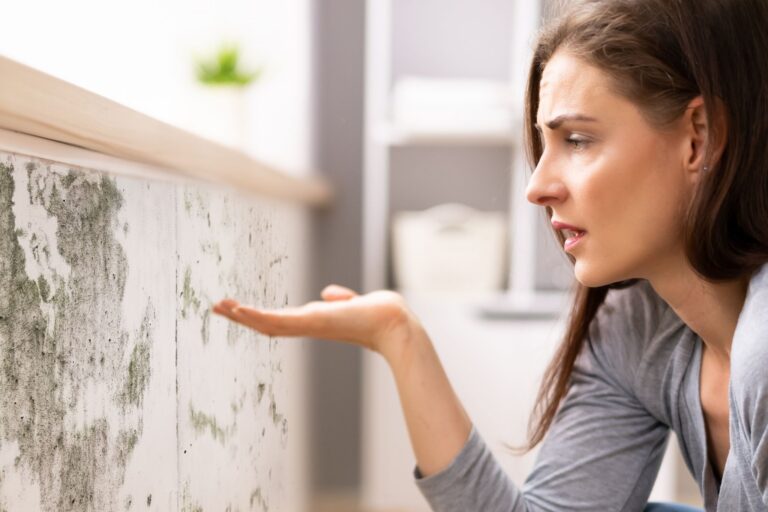
Are you concerned about black mold in your Connecticut home?
Identifying the type of mold is an important step in the mold remediation process and should be always carried out by a trained and certified technician.
However, every homeowner should have a basic understanding of the difference between black mold and toxic black mold (the kind that typically makes headlines for causing serious health problems). Keep reading for a helpful overview about the characteristics and potential health risks, as well as how to get rid of black mold growing indoors.
Is it black mold or toxic black mold?
Microscopic mold spores exist in every home, no matter where you live. Bad things happen when those spores are able to gather and form colonies, which is when you may see (or smell) evidence of mold growth in your house.
There are hundreds of thousands of species of mold in existence today—possibly millions, depending on who you ask. And as you might imagine, all those different types of mold come in a wide variety of colors, textures, and patterns that make them unique.
Of the many mold species commonly found in residential homes, black is a popular color. Plenty of mold types may appear black, including aspergillus, alternaria, and cladosporium. They are generally soft and fuzzy and may colonize in large patches or smaller dots, but an expert will know how to tell them apart from toxic black mold, otherwise known as Stachybotrys chartarum.
Stachybotrys chartarum is typically deep black or very dark green in color. Its texture is slimy and it has a very distinct smell: like rotting vegetation and decay.
Is all black-colored mold dangerous?
Harmful? Yes. Dangerous? Not necessarily.
While indoor mold growth is unhealthy regardless of what kind of mold you have in your home, most mold species are not life threatening. Generally, exposure to mold in the home results in increased allergy symptoms and trouble breathing, which often subside once the mold remediation process is complete.
Stachybotrys chartarum is different. It is called toxic black mold because it releases hazardous chemicals (called mycotoxins) into the air, which can have lasting effects on your well-being. Prolonged exposure can lead to more severe and persistent health problems—ranging from exacerbated allergic reactions to headaches, body aches, fatigue, changes in mood or behavior, trouble sleeping, and memory issues.
The good news is that unlike many common indoor mold species, Stachybotrys chartarum is not typically found in residential homes unless there is a major moisture problem that has not been identified or that has gone untreated for an extended period of time, such as flood damage or moisture buildup due to poor ventilation.
How to remove toxic black mold
About 95% of the time, indoor mold removal of any kind requires the help of a professional. Even DIY mold removal jobs should always follow a plan provided by an experienced mold technician, so your first step should be making that call.
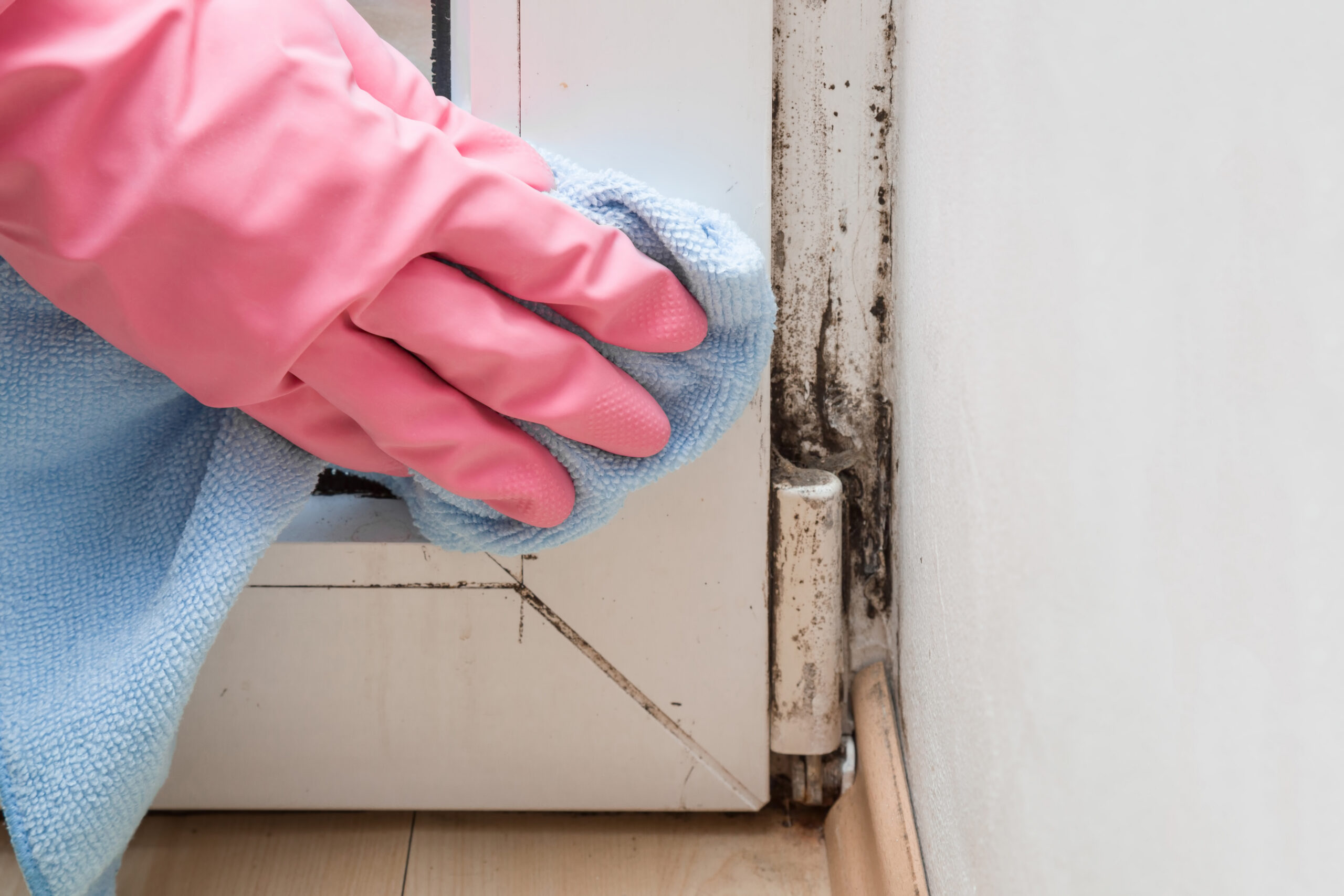
In addition to the standard tools and equipment, cleanup of Stachybotrys chartarum requires special protective gear. This includes an N95 respirator (mask), gloves, protective eyewear (including goggles or a face shield), full-body coveralls, and boot covers.
Because toxic black mold can enter the air vents in your home, a whole-house approach to removal and remediation is essential. Proper ventilation methods are required to filter and remove contaminated air before treating the mold with EPA-registered materials, and all damaged materials and waste must be removed and disposed of offsite.
Hello, CT Mold Pros. Bye-bye, black mold.
The team at CT Mold Pros knows how to handle every type of black mold—from those most often found in Connecticut homes to more serious cases involving Stachybotrys chartarum.
Our IICRC- and BPI-certified specialists follow a comprehensive 4-step mold remediation process that effectively removes and prevents mold growth in residential homes as well as commercial and industrial buildings.
When toxic mold has been identified, we adhere to industry-standard protocols for personal protective equipment (PPE) and include additional treatment and removal steps to ensure a healthy indoor environment. No wonder we’re Connecticut’s trusted mold solution specialists!
Call CT Mold Pros today at (203) 920-0265 to schedule a free consultation or fill out our online form with your message and a member of our team will reach out to you shortly.
.svg)