

Good indoor air quality is not just about feeling comfortable in the places where we spend most of our waking hours. The air we breathe inside our homes, workplaces, schools, and other structures must be clean and safe so that our bodies can stay healthy.
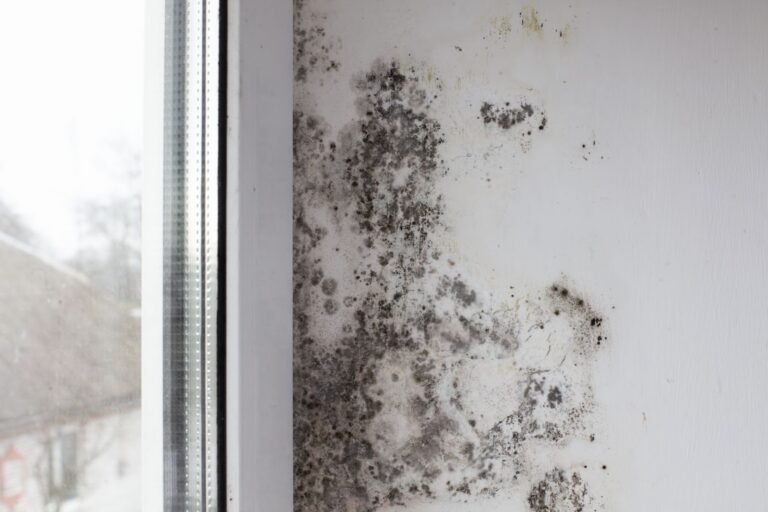
Regardless of how much or how often we clean, many factors can contribute to poor indoor air quality—and chief among them is mold growth. When exposed to indoor mold, people as well as pets can develop a range of health issues, from worsening allergy symptoms to headaches, difficulty breathing, fatigue, and fever.
The problem is that mold is not always easy to spot, so it’s important for home and business owners to know what other signs to look for when identifying a potential mold problem.
A good rule of thumb? Follow your nose.
What does mold smell like?
If there are no visible signs of mold such as spots or discoloration on your indoor surfaces, pay attention to how the air smells as you walk from room to room.
Certain types of mold release gasses called microbial volatile organic compounds (mVOCs) into the air, which give off a distinct odor. That odor is generally described as unpleasant but will often differ from one species of mold to another.
Most commonly, mold smells are described as musty, damp, or stale. This makes sense, since mold thrives in the presence of excess moisture. Other types of mold may exude a slightly sweet smell or a sour odor reminiscent of fermentation—but it could be worse.
Stachybotrys chartarum, commonly known as toxic black mold, has been described as having an earthy, decaying smell similar to rotting leaves or vegetation.
What to do about bad mold odor indoors
Obviously, you don’t want any of the above-mentioned smells lingering in your home or workspace, so your first instinct may be to grab the nearest room spray or surface disinfectant. However, keep in mind that such products only work to mask bad smells without treating the underlying cause.
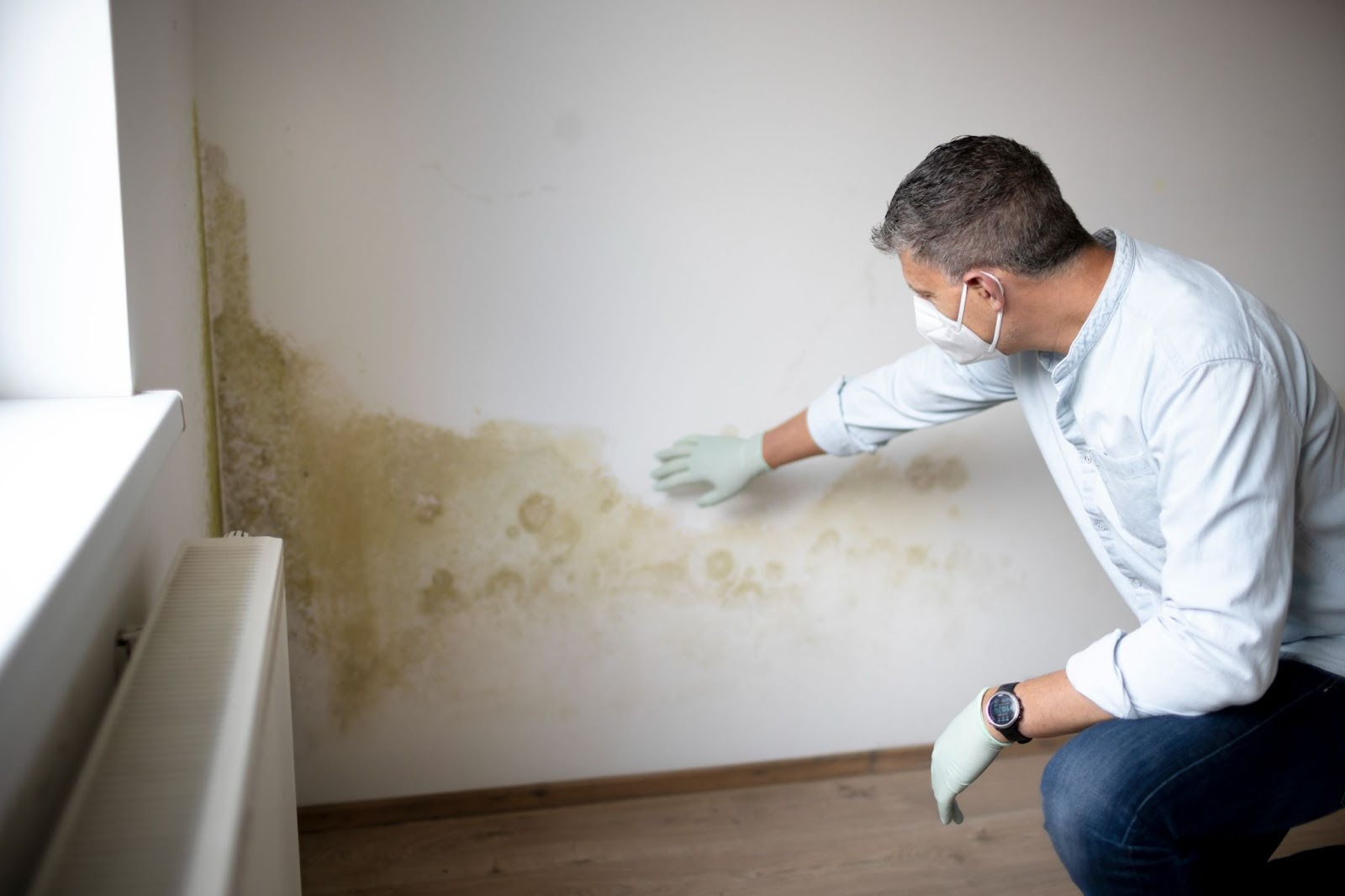
If you have lingering odors that you think might be caused by mold growth, contact a mold remediation professional first to thoroughly inspect your indoor space and determine whether or not the smell is mold related. If so, they will help to identify potential moisture sources that may be contributing to mold growth and explain the next steps in the mold remediation process.
How to prevent unpleasant mold smells
Preventing indoor mold growth (and the smells associated with it) is all about moisture control—since moisture is one of the primary conditions for mold growth. Follow these simple steps to keep your indoor space smelling clean.
Improve your ventilation.
Better indoor airflow will go a long way toward maintaining ideal humidity levels and keeping moisture, mold, and bad odors at bay. Monitor your HVAC system to ensure it is running at optimal efficiency, open windows and doors when the weather permits to increase natural ventilation, use properly vented exhaust fans in the bathrooms and kitchen, and consider installing portable and in-duct air purification systems to keep your air clean and breathable.
Dry any leaks or water damage quickly.
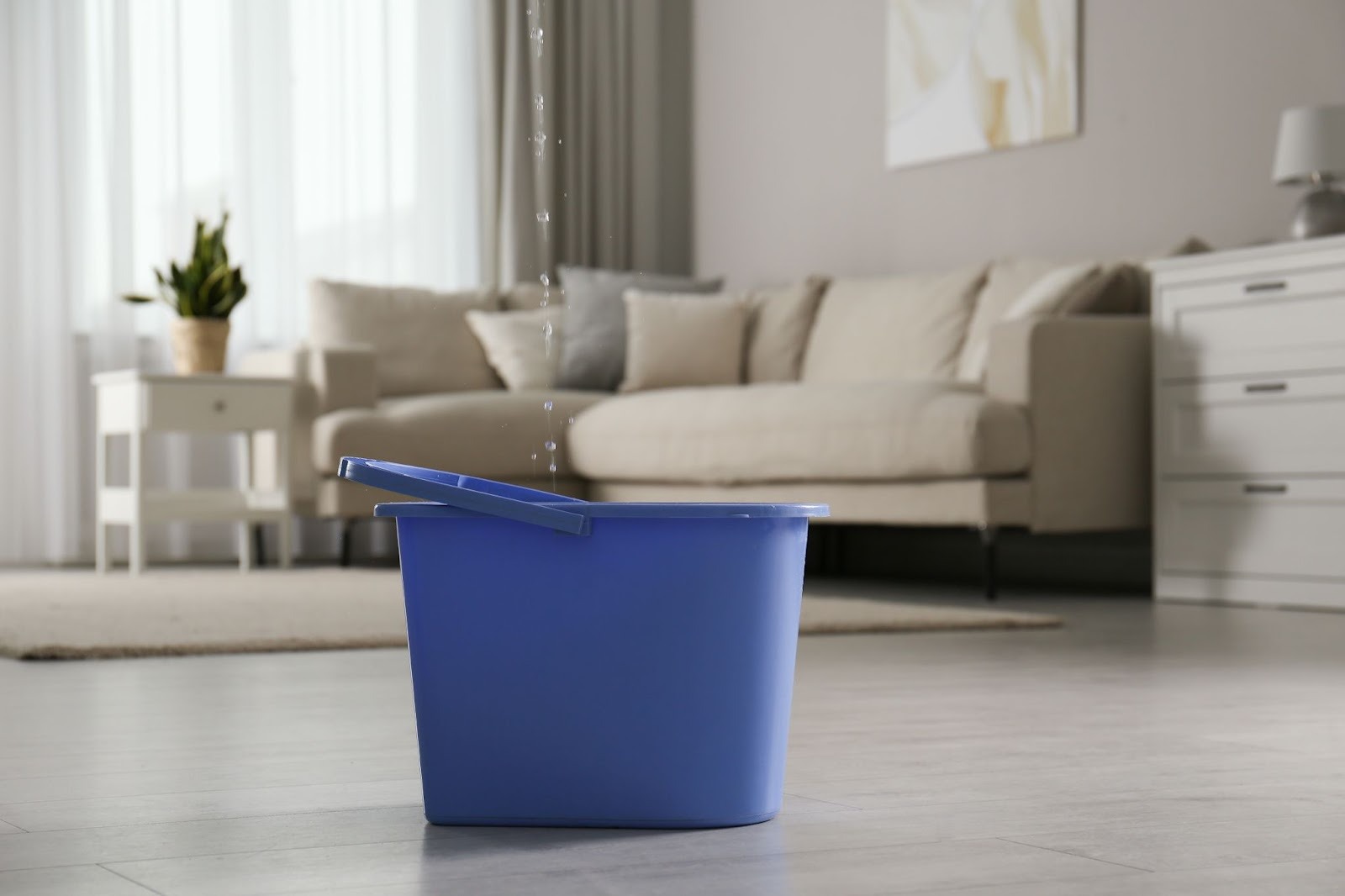
Whether it is a small faucet leak in the kitchen or significant water damage to the basement, it is important to keep your indoor environment as dry as possible to prevent mold smells. Because mold can start to grow and release odors in just 24 to 48 hours, fast action is necessary. Find the source of the leak quickly and dry the area thoroughly (using heavy-duty fans if available) to prevent excess moisture and subsequent mold growth.
Check your insulation.
All that insulation throughout your home is not just there to keep you warm during the icy Connecticut winters. It also helps to control indoor humidity by regulating air temperature and preventing extreme changes in moisture levels. Investing in high-quality insulation, or adding extra insulation to areas prone to dampness (such as crawl spaces), is a great way to avoid excess humidity and the mold that can accompany it.
Bottom line: Don’t ignore bad smells.
If funky odors are causing concern, you definitely want to make sure it’s not mold. Why? Because even worse than bad smells, indoor mold growth can cause health problems, structural damage, and a devastating loss of property.
The experienced team at CT Mold Pros can help you quickly identify and treat indoor mold growth to prevent unpleasant smells and ensure your health and safety. Call us today at (203) 920-0265 for your free estimate or fill out our online form with your message and a member of our team will reach out to you shortly.
.svg)