

New England winters are notoriously tough on residential homes, especially older houses where heavy snow and ice damage frequently lead to unwanted moisture indoors.
Now that spring is (technically) here, you may be wondering about the impact of winter weather on your Connecticut home—particularly if you experienced indoor water damage as the result of seasonal storms. Smart thinking!
Opportunistic mold spores are quick to flourish in damp conditions, and even a tiny bit of moisture can cause big problems in a very short time. So, how do you know if you have mold in your home? Is there a simple way to test for mold so you can put your mind at ease?
Start with the basics first.
Before we talk about mold testing techniques, there are two easy ways to determine if you have mold growing somewhere in your house.
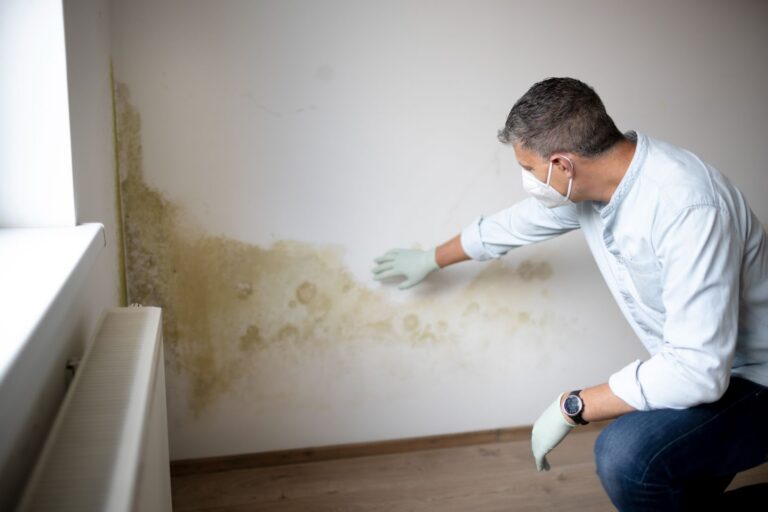
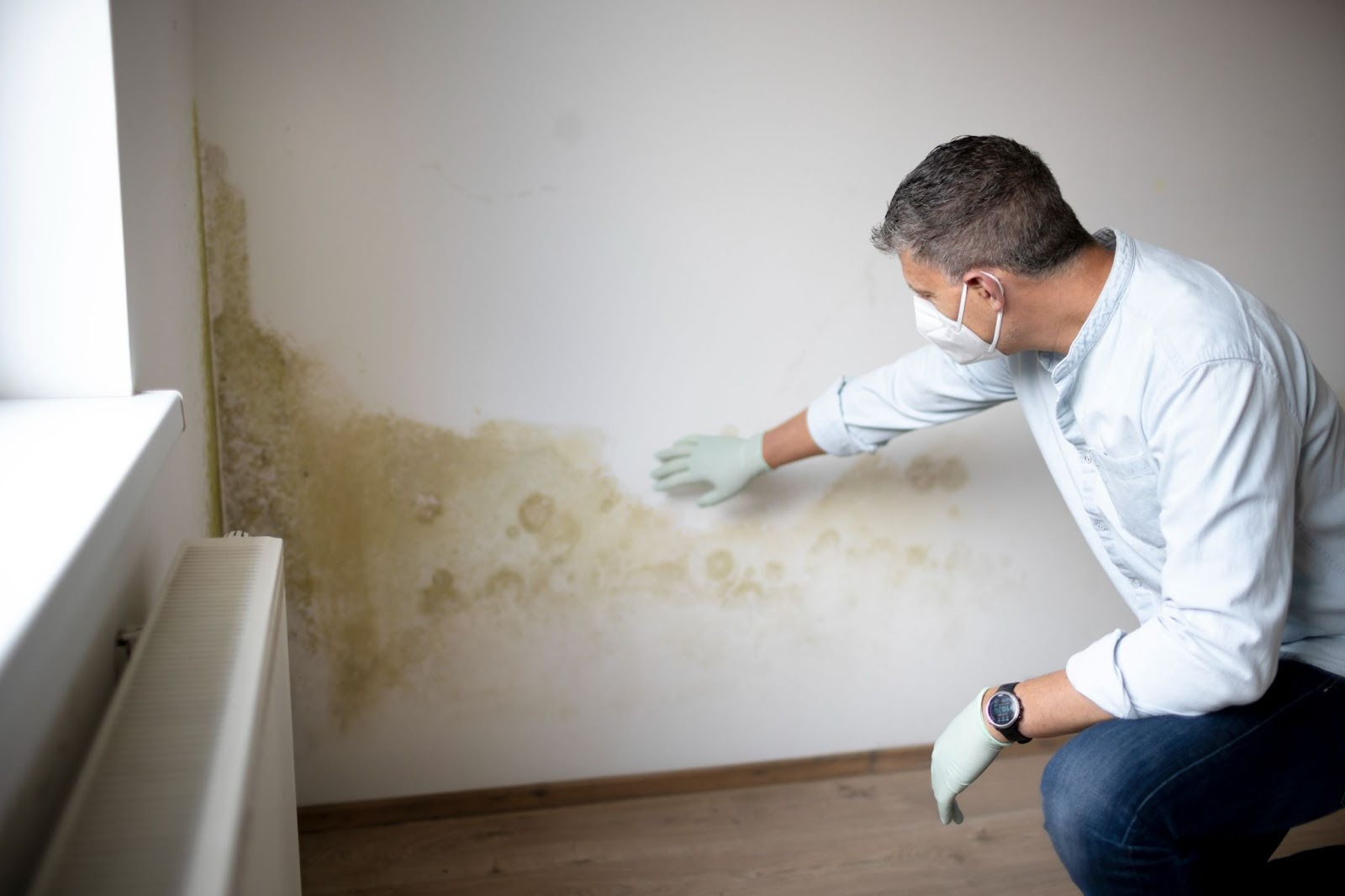
- First, look for visible signs of mold growth. Mold will often appear as dark spots or patches of discoloration on your walls, floors, upholstery, or other surfaces. Because there are so many different species of mold, the color may vary widely, from green to brown to black. (Quick side note: Not all black mold is toxic black mold.)
- Second, put your olfactory senses to work. Many—but not all—types of mold will give off a distinct (and usually unpleasant) odor, so a good rule of thumb is to do a thorough tour of your house and pay attention to any smells that are out of the ordinary. (You can learn more about mold smells here.)
If either or both of these telltale signs of mold are present, the first thing you should do is contact a mold remediation specialist. An experienced technician will quickly assess the situation and help you determine the best way to proceed, whether that means doing it yourself or working with a professional service provider.
The cheapest solution is not always the best.
Now let’s say you did a preliminary inspection and could not find any visible signs of mold or weird smells. Great news, right? Not necessarily. Very often, mold growth will be hiding in places you can’t see, such as beneath floors or behind walls.
If you can’t see it or smell it but still worry about mold growth because of recent water damage, do yourself a favor and invest in a digital humidity meter to measure the moisture level in your home. Excess humidity is a prime growth factor for mold, which is why the EPA recommends keeping indoor humidity between 30 and 50 percent to prevent mold growth. (Anything higher, and there is a good chance mold is present.)
Avoid using a DIY mold testing kit if you want an accurate answer about whether or not you have indoor mold. Though they are easy enough to find and relatively cheap to buy, the old saying holds true: “You get what you pay for.” Though not completely ineffective, they lack the accuracy and reliability of professional mold testing methods. Plus, they only cover a small area of the home, whereas a mold testing expert will test a much broader area.
Talk to a professional for peace of mind.
Identifying and treating indoor mold growth is a job best left to the professionals. While there are initial steps that homeowners can take to confirm their suspicions about mold, it is important to work with an experienced mold testing and remediation specialist to ensure the health and safety of your family and your property.
At CT Mold Pros, our trained technicians provide both pre- and post-testing services. We use nationally accredited lab testing methods to identify the type of mold in your home and guide you toward the best plan of action. Call us today at (203) 920-0265 to schedule a free consultation or fill out our online form with your message and a member of our team will reach out to you shortly.
.svg)