

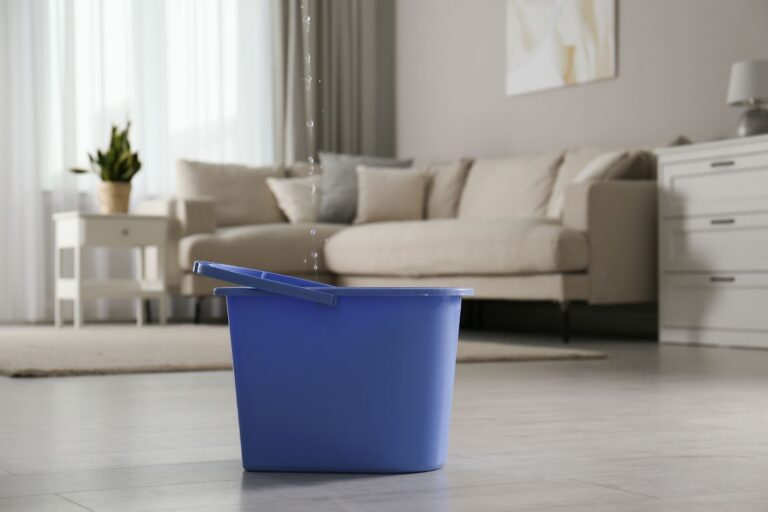
Indoor water damage can happen at any time, during any season of the year.
When it does, you need to be prepared for the possibility of mold growth in your Connecticut home or business. That includes understanding how water damage happens, when to be concerned, and the potential health hazards of mold exposure if the problem is not handled quickly and effectively.
How does water damage happen?
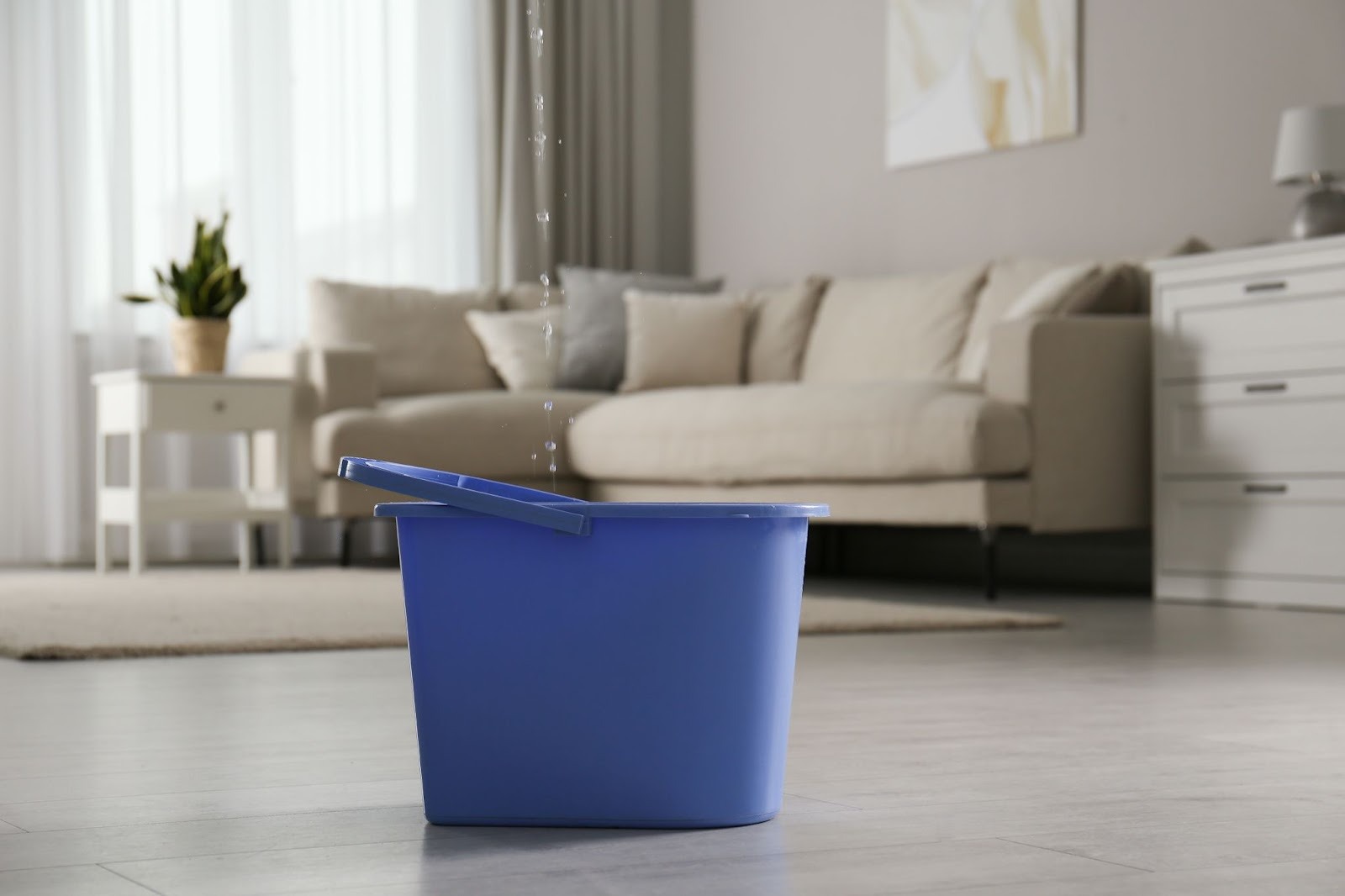
It’s common to hear the term “water damage” and imagine a flooded basement or a burst pipe gushing water into your kitchen or bathroom. However, any amount of excess moisture can lead to water damage (which in turn can set the stage for mold growth).
Many older New England homes, for example, are prone to high humidity levels because of seasonal freezing and thawing cycles. Over time, this pattern can lead to structural shifts and cracks in the foundation where moisture can get in.
Other common sources of indoor water damage include:
- Roof leaks (often due to storm damage or clogged gutters)
- Poor ventilation
- Sewer backup
- Plumbing issues
- Broken appliances
- Leaking water heater
- Sump pump failure
Does indoor water damage always mean mold?
Not in every case—but it all comes down to how quickly you tackle the problem.
Microscopic mold spores are always present indoors. However, they are generally harmless until something causes them to colonize and flourish. That “something” is usually moisture, since it is one of only a few things (along with oxygen and a food source) that mold needs to thrive.
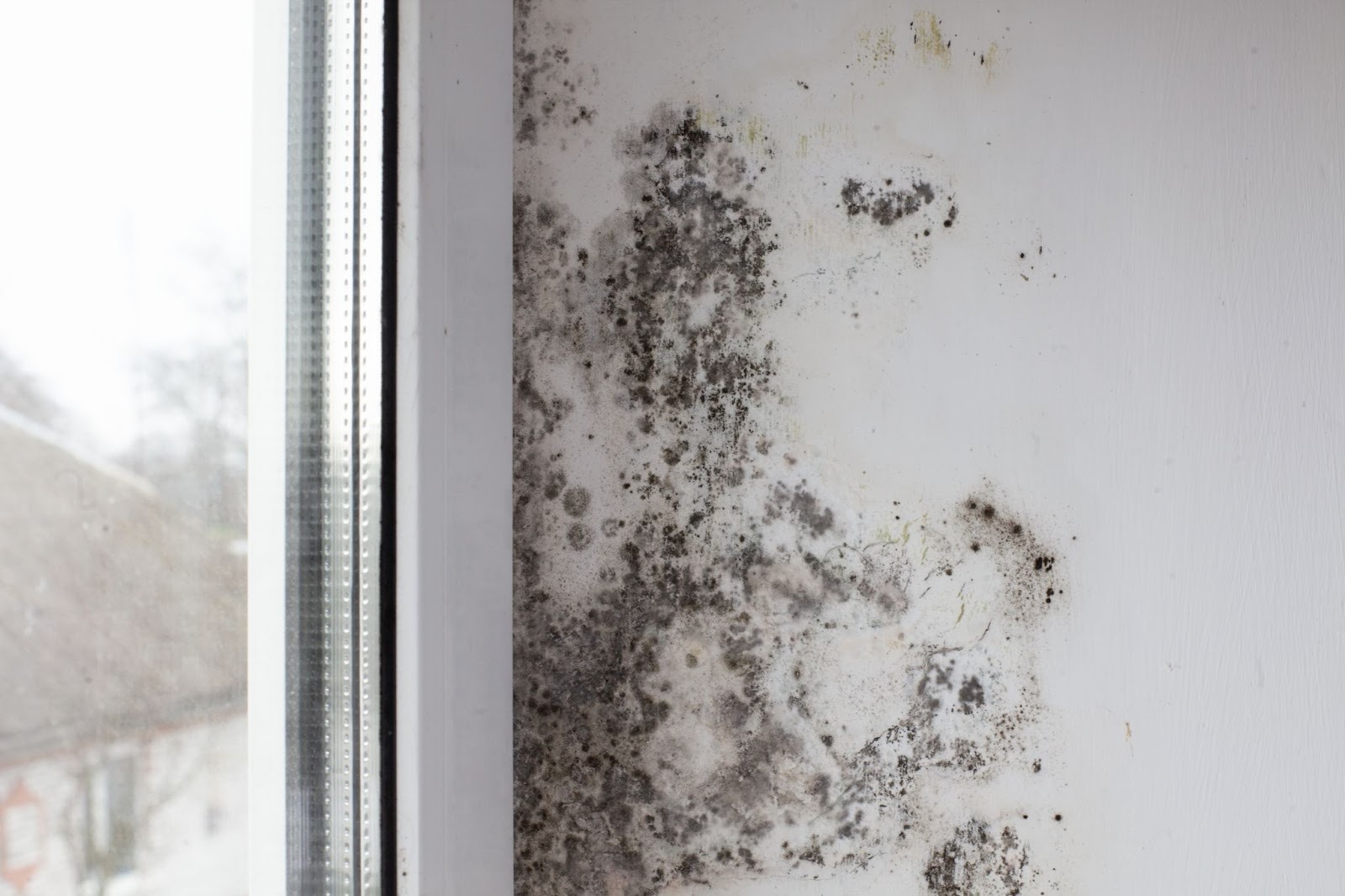
In moist conditions, mold spores can start to activate in as little as 24 to 48 hours, resulting in visible signs of mold such as spots or discoloration on your walls, floors, and other surfaces. After about a week, once a mold colony has fully developed, the risk to your health and property increases exponentially.
Why worry about indoor mold growth?
Exposure to indoor mold growth is concerning for two big reasons: It can affect your health and it can cause significant damage to your property.
Symptoms of mold exposure are often hard to spot because of their similarities to seasonal cold and allergy symptoms. But if those symptoms linger longer than normal and fail to respond to the usual health remedies, you probably want to have your home or business inspected for mold. Even pets can be affected by mold exposure, so be sure to know the signs.
As for your physical property, mold loves to feed on organic materials such as wood, drywall, fabric, and paper—which means once a mold colony sets up camp indoors, it’s only a matter of time before the structure of your home is in jeopardy and you risk your personal belongings being damaged beyond repair.
What to do before and after water damage
While you may not be able to predict heavy storms or broken appliances, there are simple things you can do right now to ensure your home remains safe and dry.
- Monitor indoor humidity. Aim to keep your indoor humidity level between 30 and 50 percent (as recommended by the EPA). A digital humidity meter, which you can find online or at your local hardware store, is a simple way to measure the moisture level in your home.
- Prioritize proper ventilation. Clean your air ducts regularly to ensure your HVAC system runs at peak efficiency. Make sure your attic insulation is properly installed (and that there is enough of it) to prevent fluctuating temperatures and moisture buildup, and check that all attic vents and exhaust fans are properly sealed and functioning correctly.
- Keep your gutters clean. Make sure your gutters are free of debris and able to easily drain water away from your home. Remember to also check your downspouts (the vertical pipes attached to your gutters that carry water down and away from the house) to make sure they are securely connected and working efficiently.
When unexpected water damage does occur, do these 3 things as soon as possible:
- Locate the source of the leak and stop the water from flowing.
- Dry the area completely with towels, fans, or open windows and doors.
- Check for visible signs of mold—including a damp, musty smell.
Even if you don’t see any signs of mold, keep an eye on the affected area for any changes. And if you are still worried about indoor mold growth affecting your health and property, call a professional for a thorough inspection.
Let our no-cost estimate put your mind at ease.
The experienced team at CT Mold Pros can help you quickly identify and treat indoor mold growth to ensure your health and safety. We also provide comprehensive water damage mitigation and restoration services to help restore your home or commercial business back to its original dry state.
Call us today at (203) 920-0265 for your free estimate or fill out our online form with your message and a member of our team will reach out to you shortly.
.svg)